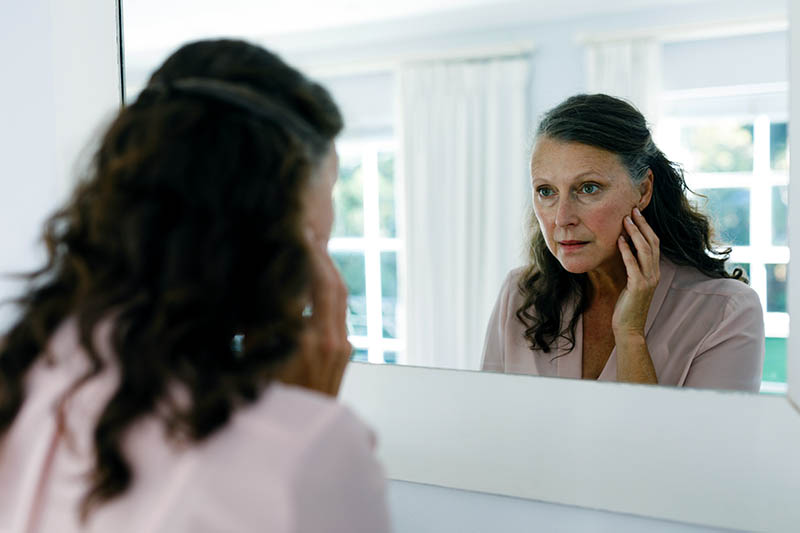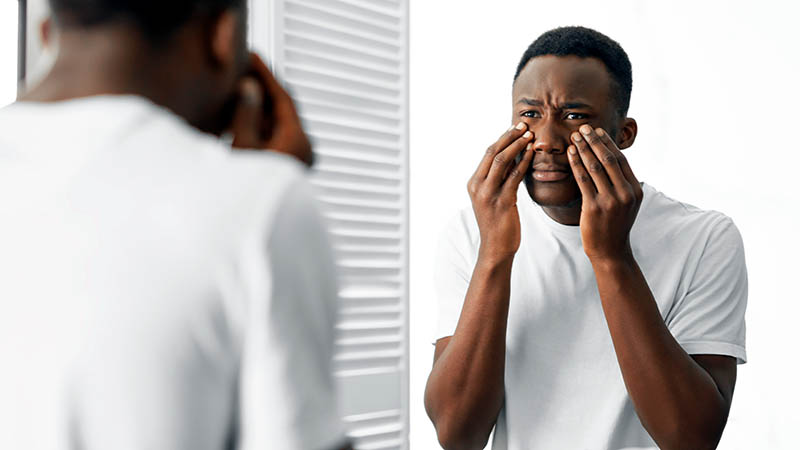

A poet once asked, “What is it about the nose that brings the face together.” Some people love their nose, while many also profoundly dislike theirs. Its look and function can affect not only how we feel about ourselves, but also how others perceive us as well. If something is going on, it is very apparent due to its location on our body. Our nose is not only an important ascetic feature, it is vital to our overall health and contributes much to your existence. However, problems in your nasal organ can affect many aspects of your life.
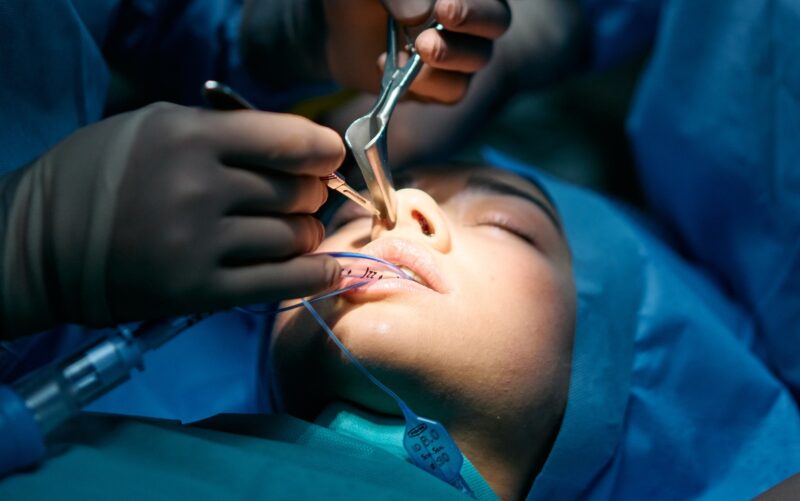
There are many reasons for rhinoplasty, and some are not so obvious. Here are a few reasons why rhinoplasty surgery might just be the kind of love your nose could use this Valentine’s Day!
- A deviated septum is when the cartilage of the nasal septum is bent and misaligned. It is estimated that 80% of the population has a deviated septum. The majority are not severe enough to cause issues that need surgery. Extreme cases can create issues breathing through the nose, sinus infections, cause chronic snoring problems and pain, just to name a few. The good news is this kind of operation is usually covered by insurance.
- Rhinitis also called coryza, which is the inflammation, and irritation of the mucous membrane. Symptoms often include congestion, sneezing, itching, and post-nasal drip. This condition can develop due to viral infections, airborne allergens, and toxins, or nasal polyps. This condition is usually treated with medication. However, when the condition is severe, or pharmaceuticals are unable to offer relief, corrective surgery can be an effective option.
- Nasal trauma, let’s face it. Everyone knows the world can be a dangerous place. Car accidents, misfired golf balls, freak revolving door incidents. These are just a few of the innumerable hazards that await the unsuspecting and the unwary. A mangled or broken nose is not fun and can impact a person’s ability to do anything and everything. However once the damage is done, rhinoplasty might be the only way to return life to normal.
Frequently Asked Questions
A deviated septum occurs when the cartilage dividing the nasal passages is bent or misaligned. It is estimated that about 80% of people have some degree of deviated septum, though most cases are mild and do not require surgery. Severe deviations can cause breathing difficulties, sinus infections, chronic snoring, and pain.
Rhinoplasty can correct structural issues like a deviated septum or nasal trauma that obstruct airflow, improving breathing. When nasal obstructions cause chronic issues such as sinus infections or snoring, surgery can restore proper nasal function and enhance overall health.
Rhinitis is the inflammation of the nasal mucous membrane, causing symptoms like congestion, sneezing, and itching. It is usually treated with medication, but in severe cases or when medications fail to provide relief, corrective surgery may be considered to alleviate symptoms.
Yes, rhinoplasty is often used to repair damage from nasal trauma such as breaks or deformities caused by accidents or injuries. This surgery can restore both the appearance and function of the nose, helping patients return to normal life.
No, rhinoplasty is performed for both cosmetic and medical reasons. While some seek it to improve the nose's appearance, many undergo the procedure to correct functional issues like breathing difficulties, nasal obstructions, or damage from injury.
Rhinoplasty surgeries performed to correct medical problems such as a deviated septum or nasal obstruction are often covered by insurance. Cosmetic-only procedures usually are not covered, so it is important to check with your insurance provider.