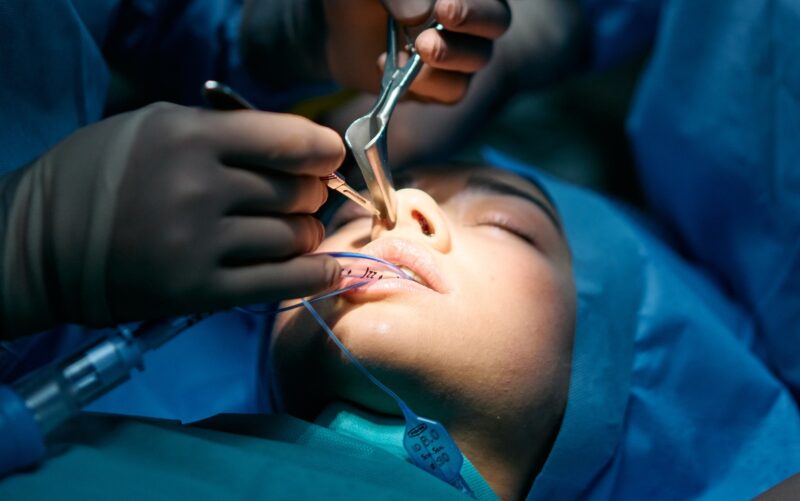

In today’s chemical and implant filled world of modern facial treatments and enhancements, it can be hard to find natural alternatives to cosmetic surgery. One natural procedure that stood the test of time is fat transfers, also known as fat grafting. Fat transfers were pioneered in 1893 by Dr. Franz Neuber, who first used the treatment to reconstruct a patient’s cheek. Fat transfer surgery involves removing fat from one place and re-introducing it into a different target site on the body. With the introduction of micro- liposuction in the 1980‘s, fat transfer has become one of the safest, most natural procedures offered by plastic surgeons. However, as natural as a fat transfer procedure is, it is still considered to be a surgical operation.
Have you been thinking about fat transfer surgery? If so, check out our list of fat transfer surgery tips and be sure to discuss them with your doctor.
Talk to your doctor: The very first thing to do is to consult with your doctor on what you can hope to accomplish and what to expect when having this kind of procedure done.
Make sure that fat transfer is right for you: There are options to alleviate many of the potential issues. Also, many factors can influence the overall outcome; such as age, overall health, and lifestyle. Having an open and honest discussion on this topic is crucial.
Know the risks: Even though it is your own fat that is transferred from one part of your body to another, know that the chances of infection are reduced, but not eliminated. Make to sure to discuss any potential risk factors you may face.
Be sure to discuss downtime and post-operation tips with your doctor: Even though this is a minor procedure, there is going to be swelling, and we are talking about your face here! How much and for how long is going to vary from person to person. Your doctor should know how intense your procedure is going to be, so ask about potential downtime and things that could help the healing process.
Get the facts: Last, but certainly not least; educate yourself, search out and research articles, blogs, and other sources on the Internet to help you find out as much as you can before you go under the knife. The other benefit to this? This will help you formulate questions to ask your doctor so you can get the most out of this experience.
Frequently Asked Questions
Fat transfer surgery, also known as fat grafting, involves removing fat from one area of the body and re-injecting it into another target site to enhance or reconstruct that area. It is a natural procedure that has been used since 1893 and has become safer with advancements like micro-liposuction.
Good candidates for fat transfer surgery are individuals in overall good health who have realistic expectations about the results. Factors such as age, lifestyle, and health can influence the outcome, so it is important to have an open discussion with your doctor to determine if this procedure is right for you.
Although fat transfer uses your own fat, reducing the risk of rejection, there are still potential risks such as infection and complications related to surgery. It is important to discuss any personal risk factors with your doctor before undergoing the procedure.
Downtime and recovery can vary depending on the extent of the procedure, but swelling is common, especially since the face is involved. Your doctor can provide specific guidance on how long swelling may last and recommend post-operative care tips to support healing.
To prepare for your consultation, educate yourself by researching articles, blogs, and other reliable sources about fat transfer surgery. This will help you understand the procedure better and enable you to ask informed questions to your doctor, ensuring you get the most out of your consultation.
Yes, fat transfer surgery is considered one of the most natural cosmetic procedures because it uses your own fat rather than synthetic implants or chemicals. Despite being natural, it is still a surgical operation and should be treated with the same care and consideration as other surgeries.