
Many of us live hectic lives, so it’s not a shock that most don’t get enough shut-eye nowadays. While you may think sleepless nights only have short-term mental and physical side effects, like grogginess or lack of concentration, there’s more to the equation. There’s a connection between sleep deprivation and your skin. Studies have shown that a lack of sleep can have detrimental long-term effects on your skin and overall health.
What is Sleep Deprivation?
Sleep deprivation is caused by not getting enough high-quality sleep each night. Everything is fast pace and constantly moving. However, getting enough sleep can be difficult for many people in today’s society. Many have multiple sources of income and often work 2-3 jobs. Yet, for a healthy adult, the recommended amount of sleep is between 7 and 9 hours.
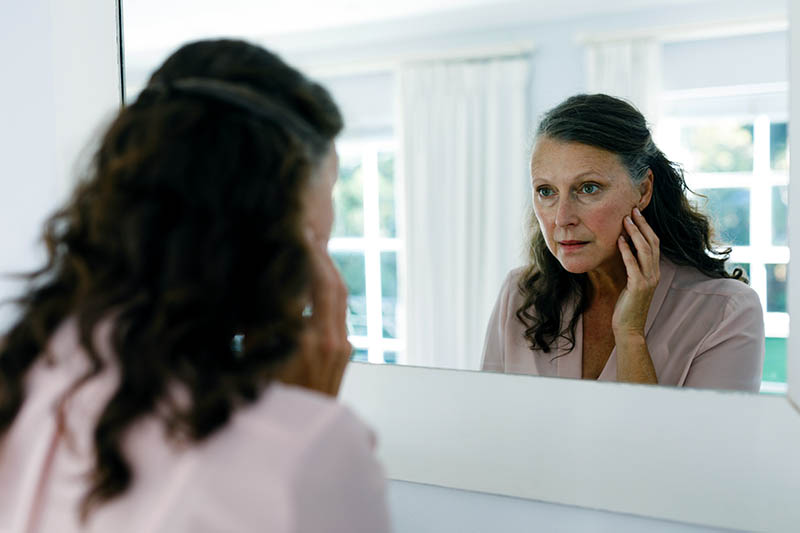
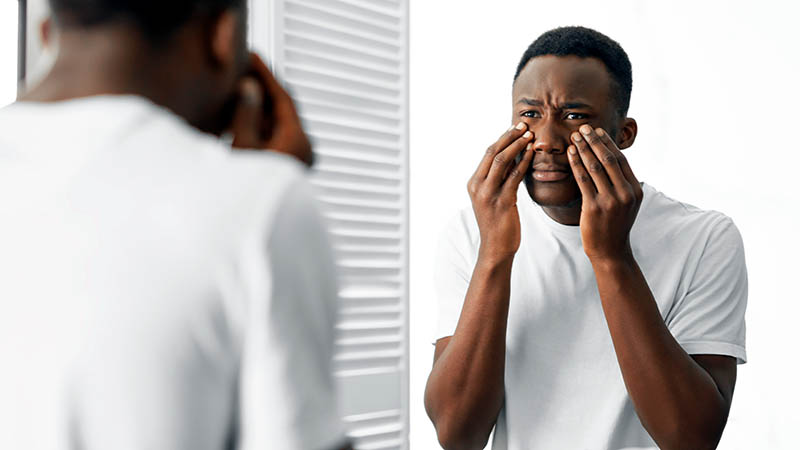
Unfortunately, the tell-tale signs of sleep deprivation can show up on your skin. If you are sleep-deprived, you will likely have dark under-eye bags, redness in the face, or puffiness.
Sleep Deprivation and Your Skin: How Sleep Deprivation Harms Your Skin
Lack of sleep can have some serious, even surprising, side effects. The amount of sleep we get each night directly correlates to skin health. One of the main things that will happen to your skin when you are sleep-deprived is developing dry skin. Usually, when you’re sleeping, your body is nourishing and providing moisture to your skin. But when you don’t get enough sleep each night, it causes the pH levels in your skin to drop, resulting in dry skin.
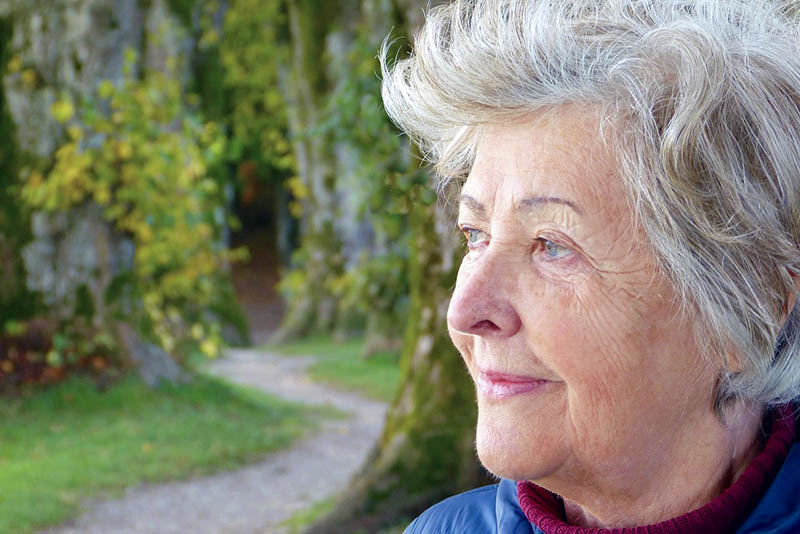
A lack of sleep can also advance the signs of aging. If your skin isn’t getting enough moisture, wrinkles can develop. Also, sleep deprivation can cause your body to produce less collagen. Collagen produces elasticity in your skin, which helps make your face look smooth and young. Add in a case of dark under-eye circles and face puffiness, a common sign of sleep deprivation and unbalanced water levels, and you are on a direct path to poor skin health.
What Can I Do to Help Repair My Skin?
If you think a lack of sleep is negatively affecting your skin, there are natural home remedies for repairing skin and looking your best.
1. Exfoliation is one of the best ways to renew the skin. Exfoliating removes the layer of dead skin cells sitting on top of your skin, which can help make your skin look fresh and restored. You can do this by using a facial scrub or a face mask, both of which you can make at home. You can also create an olive oil and sugar scrub and gently exfoliate the top layer of your skin! Combining oats and honey to make a face mask is easy and can result in a natural glow and smooth skin.
2. Using a natural moisturizer on your skin is a great way to hydrate your skin. If you are suffering from dry skin, using a natural moisturizer such as coconut oil can help hydrate your skin and relieve dryness. Plus, not only will coconut oil hydrate your skin, it can even help prevent acne!
3. You are what you eat, and one of the best skin remedies is watching what you eat and drinking plenty of water daily. Sleep deprivation can stress out your body in many ways, but many of us are prone to sleep loss, so balancing the side effects is necessary. Eating a well-rounded, healthy diet full of healthy fats can help your body stay balanced and hydrated. While you can get some hydration from watery foods, drinking plenty of water daily is a must. Water intake can help your body run like a well-oiled machine and help ensure that your skin stays hydrated and moisturized.
Frequently Asked Questions
Sleep deprivation occurs when you do not get enough high-quality sleep each night, typically less than the recommended 7 to 9 hours for a healthy adult. It can lead to short-term effects like grogginess and lack of concentration, but also has long-term impacts on overall health, including skin health.
Lack of sleep disrupts the skin's natural moisture balance by lowering pH levels, leading to dry skin. It also reduces collagen production, which is essential for skin elasticity, causing wrinkles and signs of aging. Additionally, sleep deprivation often results in dark under-eye circles and facial puffiness due to unbalanced water levels.
Common signs include dark under-eye bags, redness, puffiness, and dry or flaky skin. These symptoms reflect the skin's response to insufficient rest and hydration, signaling poor skin health linked to lack of sleep.
Yes, sleep deprivation can accelerate skin aging by decreasing collagen production, which reduces skin elasticity and promotes wrinkle formation. Without adequate sleep, the skin also loses moisture, further contributing to premature aging and a dull complexion.
Natural remedies include exfoliating the skin to remove dead cells using homemade scrubs or masks, moisturizing with natural oils like coconut oil to hydrate and prevent acne, and maintaining a healthy diet rich in healthy fats along with drinking plenty of water to keep the skin balanced and hydrated.
Hydration is crucial because sleep deprivation can disrupt the skin's water balance, leading to dryness and puffiness. Drinking plenty of water daily helps maintain skin moisture, supports bodily functions, and aids in restoring healthy, glowing skin despite sleep loss.
Collagen is a protein that provides skin elasticity and smoothness, helping to keep the skin youthful. Sleep deprivation reduces the body's collagen production, which can lead to loss of skin firmness, increased wrinkles, and accelerated aging signs.