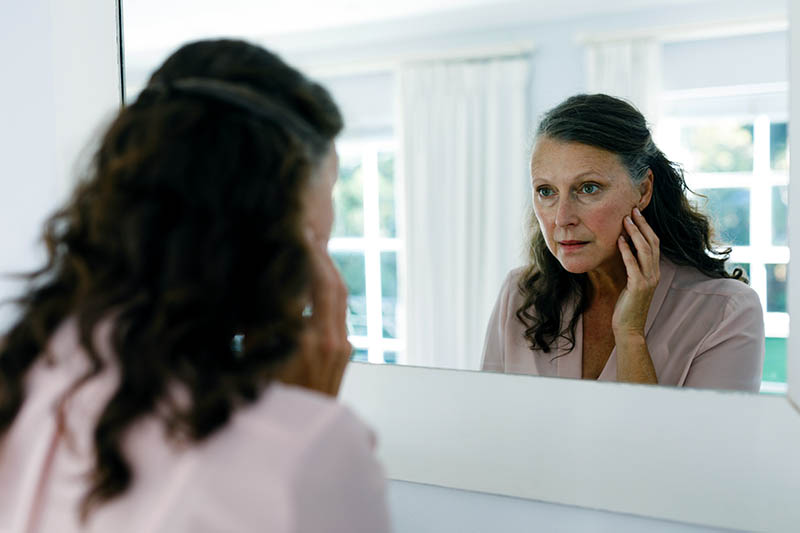

When the seasons change, it can make us change our routine. School is back in session, and with the temperatures slowly dropping, the cooler air gives way to different outdoor activities. But that’s not all it can affect. Seasonal changes can also affect your skin. As summer changes to fall, the cold air will slowly usher in and bring with it unpredictable weather. Cooler temperatures mean an increased use of indoor heating, which can dry out our skin. However, following our fall skin care tips below can help protect your skin and prepare you for the colder temperatures ahead.
Fall Skin Care Tips: The 5 Steps You Can Take for Healthy and Hydrated Skin
1. During the fall, humidity levels are typically lower, which can strip away some of the moisture for your skin, so it is imperative that you moisturize your skin daily. However, try to use moisturizers that are oil-based versus water-based. It would be best to have a nourishing moisturizer to soothe and hydrate dry skin and keep it that way.
2. While you may love soaking in the tub for an extended period or taking long, hot showers, it is not the best remedy for dry skin. Since our skin is typically drier during the fall due to lower humidity levels and cooler temperatures, using hot water in a bath or shower for an extended period can dry out our skin more. Instead, use lukewarm water and moisture immediately upon exiting.
3. During the cooler months, exfoliation is your friend. Dead skin cells tend to build up, making your skin even drier since it can make it more challenging to moisturize your skin. To help remove dead skin cells and add some moisture to your skin, exfoliate your skin with a nourishing sugar scrub. For your face, use an exfoliating mask regularly to help keep your skin hydrated and smooth.
4. You may not realize this, but wearing sunscreen during the fall season is essential since sun-damaged skin is a year-round concern. Sun rays during the fall are often just as intense as summer rays, with the only difference being the temperature. So even though it’s cooler outside, to help stave off skin cancer and premature aging, wear sunscreen when spending time outdoors.
5. Since the humidity levels are lower during the fall, leading to dry skin, investing in a humidifier for your bedroom or home (or office) can help. By adding the right amount of moisture back into the air, you can help fend off dry skin and its effects. However, make sure you invest in a meter that can measure the humidity levels, as you don’t want to put too much moisture back into the air.
Frequently Asked Questions
During the fall, humidity levels typically drop, and cooler temperatures lead to increased use of indoor heating. Both factors contribute to stripping moisture from your skin, making it drier than usual. Lower humidity means less moisture in the air, which can cause your skin to lose hydration more quickly.
In the fall, it is best to use oil-based moisturizers rather than water-based ones. Oil-based moisturizers provide a nourishing barrier that soothes and hydrates dry skin, helping to lock in moisture and protect your skin from the drying effects of cooler weather and indoor heating.
Taking long, hot showers or baths can actually worsen dry skin during the fall because hot water strips away natural oils from your skin. Instead, use lukewarm water and apply moisturizer immediately after bathing to help retain moisture and keep your skin hydrated.
Exfoliation helps remove dead skin cells that accumulate more during the fall, which can make your skin appear dull and dry. Using a nourishing sugar scrub for the body and exfoliating masks for the face can help smooth the skin and improve moisture absorption, keeping your skin hydrated and healthy.
Yes, wearing sunscreen during the fall is important because sun rays can be just as intense as in summer, despite cooler temperatures. Protecting your skin from UV damage helps prevent skin cancer and premature aging year-round, so apply sunscreen whenever you spend time outdoors.
Using a humidifier can add moisture back into the dry indoor air caused by lower fall humidity and heating systems. This helps prevent your skin from drying out. However, it's important to monitor humidity levels with a meter to avoid adding too much moisture, which can cause other issues.