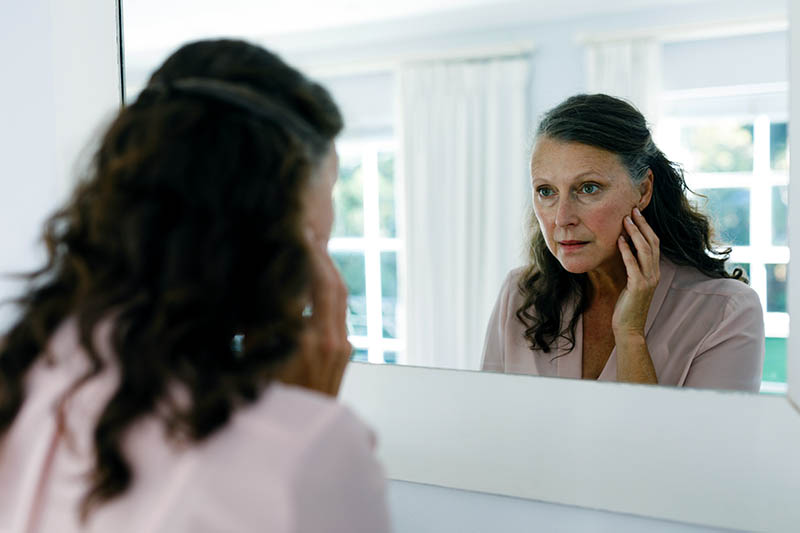

This Fourth of July, you might think you have everything already covered. However, there is one aspect that many seem to overlook, their skincare routine. Many of us spend a great deal of time outside, whether it’s at the beach or in someone’s backyard, so it’s important that you think about the health of your skin during the holiday weekend this year. Having a Fourth of July skincare ritual is important if you want your skin to look and feel its best throughout the festivities.
Holiday festivities can take a toll on your skin, especially during the summer. So take care of your skin and give it the attention it needs this Independence Day by following these Fourth of July skincare tips.
• Protect your skin by applying and reapplying sunscreen when needed. The last thing you want is to be tending to sunburnt skin at the end of the day, even if you are planning on sitting under an umbrella. If you can’t go without wearing makeup, then invest in a foundation with SPF properties.
• Along with applying sunscreen, cover up your skin by keeping your skin covered, and don’t forget sunglasses and a hat to protect your face and eyes. Of course, clothing that protects you from the sun’s harmful rays is best, but wearing any clothing that covers your skin can help keep you protected.
• Make sure you take breaks from the sun, especially when you are outside for an extended period of time. Doing so can help you avoid overexposure, even if you are wearing sunscreen. Also, use this time to reapply your sunscreen, so you are not doing it in the sun.
• Staying hydrated throughout the day is key, so be sure to drink plenty of fluids. In addition, eating watery foods can help keep you hydrated, and watermelon often makes an appearance during the Fourth of July. Doing so can help keep your skin looking fresh and dewy instead of lackluster and dried out.
• Using a facial mist is an excellent way to cool off and hydrate your skin. If you haven’t used one on a hot summer’s day, we highly recommend you start using facial mists to help combat skin dryness. A helpful tip: place your facial mist in the drink cooler and apply it anytime your skin feels dry and overheated.
Frequently Asked Questions
A Fourth of July skincare routine is important because spending extended time outdoors during summer festivities exposes your skin to sun damage, dehydration, and environmental stressors. Proper care helps maintain your skin's health, preventing sunburn, dryness, and premature aging, so your skin looks and feels its best throughout the holiday.
You should apply sunscreen generously before going outside and reapply it every two hours or immediately after swimming, sweating, or towel drying. Even if you are sitting under an umbrella or wearing makeup with SPF, regular reapplication ensures continuous protection against harmful UV rays throughout the day.
Besides sunscreen, you can protect your skin by wearing protective clothing, such as long sleeves and hats, and using sunglasses to shield your eyes. Taking breaks from direct sun exposure and seeking shade also help reduce UV damage. These combined measures provide comprehensive protection during outdoor activities.
Staying hydrated by drinking plenty of fluids and consuming water-rich foods like watermelon helps maintain your skin's moisture balance. Proper hydration keeps your skin looking fresh, dewy, and healthy, preventing dryness and dullness that can result from sun exposure and heat during summer festivities.
Using a facial mist helps cool and hydrate your skin instantly, combating dryness and overheating caused by sun exposure and heat. Keeping a facial mist in a cooler allows for a refreshing application anytime your skin feels dry, helping maintain a comfortable and hydrated complexion throughout the day.
Makeup with SPF can provide some level of sun protection, but it should not replace regular sunscreen application. Sunscreen is formulated to offer broad and consistent protection, and it needs to be applied generously and reapplied regularly, which makeup alone may not provide effectively during prolonged sun exposure.