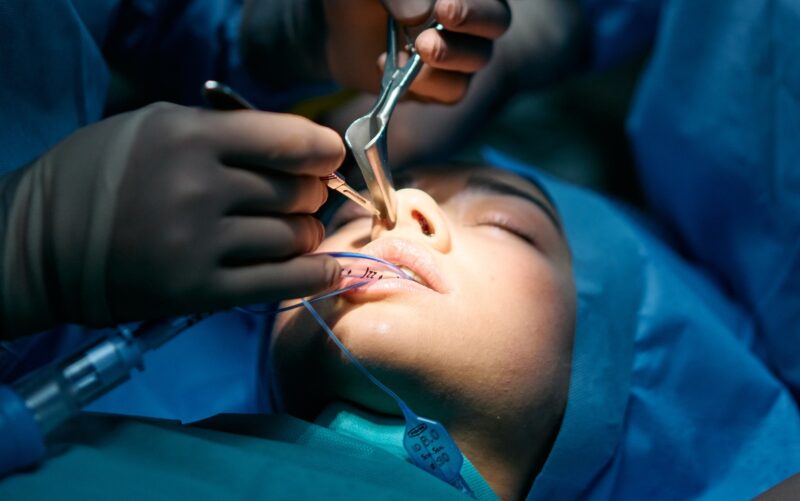
Surgeries can be nerve-wracking, especially with the uncertainty that follows. While most people are happy with their rhinoplasty results, there are a few things you will want to avoid to ensure you achieve the nose you’re aiming for. Here’s what to do and what not to do after rhinoplasty.
What Not To Do After Rhinoplasty
In order to achieve the best results possible, here’s what not to do after rhinoplasty.
- Lay flat: It’s imperative that you sleep with your head elevated for the first one or two weeks post-surgery. Sleeping regularly may have a negative impact on your healing process.
- Rush back to routine: It’s important you realize what you’re signing up for. You need to make sure you’re excused from work, exercise, and other commitments for at least a week after your procedure.
- Blowing your nose: Blowing your nose too soon after rhinoplasty can cause additional bleeding and may disrupt your nose’s healing process. Similarly, if you feel you need to sneeze, try your best to sneeze with your mouth wide open. Do anything you can to minimize the disturbance on your nose.
- Wear restrictive clothing: You’ll want to avoid any clothing that goes over your face while taking it on and off. Stick with zip-up or buttoned clothing for the time being so you don’t come in contact with your nose while getting dressed.
- Wear glasses: You should wait at least two weeks after rhinoplasty before using your glasses regularly (on the bridge of your nose). If you can, stick to contact lenses.
- Cancel your follow up appointments: Post-operation follow up appointments are essential if you want to ensure you’re on the right path. These appointments are useful for both you and your doctor. You should feel comfortable enough to ask your doctor any questions or concerns you may have during your follow up appointment.
What To Do
- Rest up: The more you move around post-op, the more likely you are to bump your nose. It’s best to take the recommended downtime seriously.
- Sunscreen: If you want to avoid discoloration/sun spots, avoid the sun or use sunblock diligently for the first six months after your procedure. Rhinoplasty patients have an increased risk of discoloration.
- Be mindful: The best thing you can do to expedite the healing process is to be aware and mindful. The more you protect your nose and take care of your body the better the end result will be and the faster it’ll heal.
Frequently Asked Questions
Sleeping with your head elevated for the first one or two weeks after rhinoplasty helps reduce swelling and promotes proper healing. Laying flat can increase swelling and negatively impact the recovery process.
You should plan to take at least one week off from work, exercise, and other commitments to allow your body adequate time to heal and reduce the risk of complications.
Blowing your nose too soon can cause additional bleeding and disrupt the healing tissues inside your nose. If you need to sneeze, doing so with your mouth open helps minimize pressure on your nose.
You should avoid clothing that goes over your head to prevent accidentally bumping your nose. Opt for zip-up or buttoned clothing to minimize contact with your nose when dressing.
It is recommended to wait at least two weeks before wearing glasses that rest on the bridge of your nose. Using contact lenses during this period can help avoid pressure on the healing area.
Follow-up appointments allow your doctor to monitor your healing progress, address any concerns, and ensure you are on the right path to recovery. They also provide an opportunity for you to ask questions about your results and care.
Rhinoplasty patients have an increased risk of discoloration, so it’s important to avoid sun exposure or use sunscreen diligently for the first six months to prevent sun spots and discoloration.
Being mindful and protecting your nose by resting adequately, avoiding pressure or trauma, and following your doctor’s instructions will help expedite healing and improve your final results.