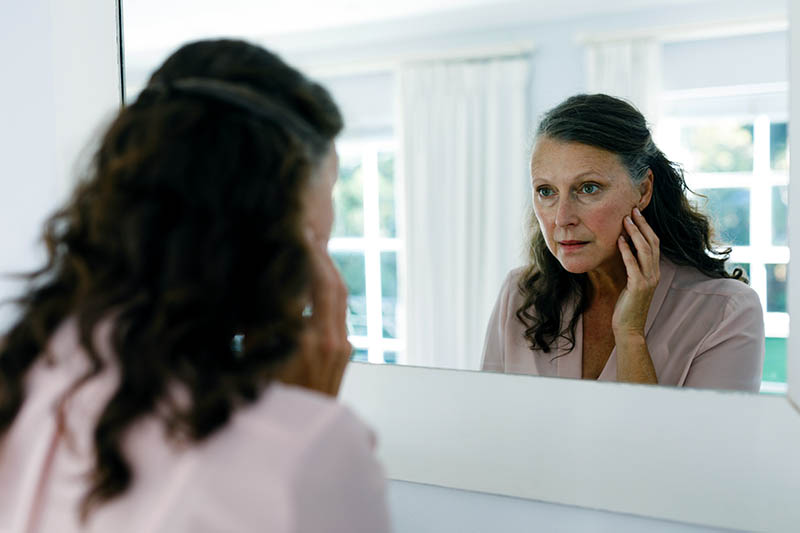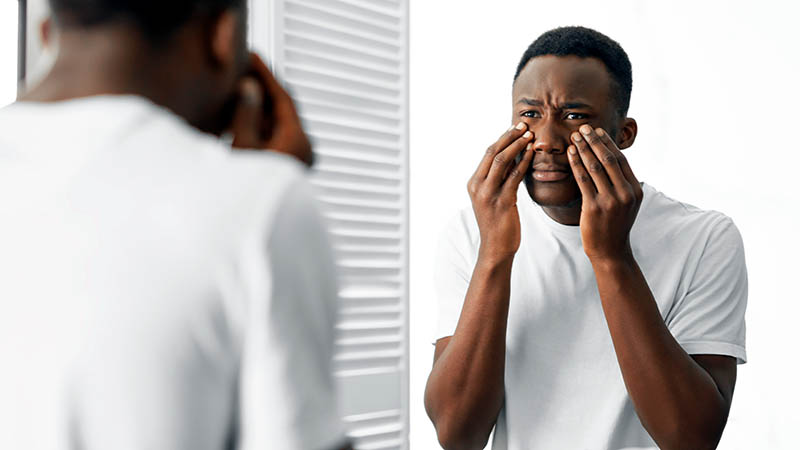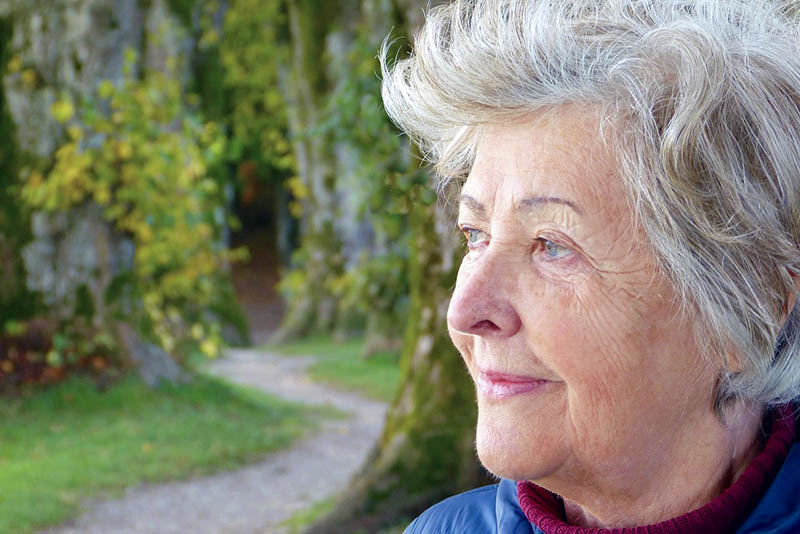

It’s nearly impossible to dodge the visible signs of aging, especially when it comes to facial volume. Some people find their fine lines beautiful and embrace the scars left from aging. Others can’t stand the look of wrinkles plaguing their face and are bothered by their sunken cheeks. If you’re looking to restore volume in your face and cheeks, you may want to consider a facial fat transfer.
Treatment for Sunken Cheeks
Sunken cheeks and total loss of facial volume can really take a toll on your confidence. Luckily, facial fat transfers allow you to restore your lost volume without undergoing an over-the-top invasive procedure.
During a facial fat transfer, fat is removed from an unwanted fat deposit in the body. Common fat deposits include the thighs, abdomen, and buttocks. The fat is then transferred and injected into the sunken areas of the patient’s face. This gives the patient a plump, more voluminous look and leaves patients with a “youthful” appearance.
The Best Candidates
The best candidate for a facial fat transfer is:
- Not a smoker
- In or around ideal weight
- Not on blood thinners
- Above the age of 40
- Not pregnant or breastfeeding
- Generally healthy
- Not in the active stages of acne
Please note that you are not disqualified from receiving a facial fat transfer if you do not meet the above specifications. It is also necessary to have a donor region on the body to extract excess fat from.
Benefits
There are many benefits to a facial fat transfer, and honestly, the confidence boost may be the most worth it. Aside from feeling more comfortable in your own skin, here are the other benefits of a facial fat transfer:
- It only uses your natural tissue
- Provides natural-looking results
- Leaves a youthful, voluminous appearance
- Permanent results
- Restores sunken cheeks
- Minimally invasive
- Reduces the appearance of facial lines and wrinkles
If you are looking for a facial rejuvenation that plumps your facial features, lessens lines and wrinkles and reverses the signs of aging a facial fat transfer may be just what you need. And, unlike facial fillers and injectables, because the fat is being transferred from your own body, a significant portion of the fat may remain in the facial area thus lessening the need for recurring injections.
Frequently Asked Questions
A facial fat transfer is a cosmetic procedure where fat is harvested from one part of your body, such as the thighs, abdomen, or buttocks, and then injected into sunken areas of your face to restore volume. This process helps create a plumper, more youthful appearance by using your own natural tissue.
The best candidates for a facial fat transfer are generally healthy individuals who are not smokers, are near their ideal weight, not on blood thinners, above the age of 40, not pregnant or breastfeeding, and not experiencing active acne. However, these criteria are guidelines and not strict disqualifiers.
Facial fat transfers offer several benefits including the use of your own natural tissue, natural-looking and permanent results, restoration of sunken cheeks, a youthful and voluminous appearance, minimal invasiveness, and reduction in the appearance of facial lines and wrinkles. Additionally, it can boost confidence by improving facial aesthetics.
Unlike facial fillers and injectables that may require frequent touch-ups, a facial fat transfer uses your own fat, which can provide longer-lasting or permanent results. Because the transferred fat is natural tissue, a significant portion may remain in the face, reducing the need for recurring treatments.
Facial fat transfer is considered minimally invasive since it involves liposuction to remove fat from donor areas and injections to transfer the fat to the face. It avoids the extensive surgery associated with more invasive facial rejuvenation procedures, making recovery generally quicker and less complicated.
While many people with sunken cheeks can benefit from a facial fat transfer, candidates must have enough donor fat available on their body for extraction. Additionally, certain health factors like smoking, blood thinners, or active acne may affect candidacy, but these are not absolute disqualifiers and should be discussed with a specialist.