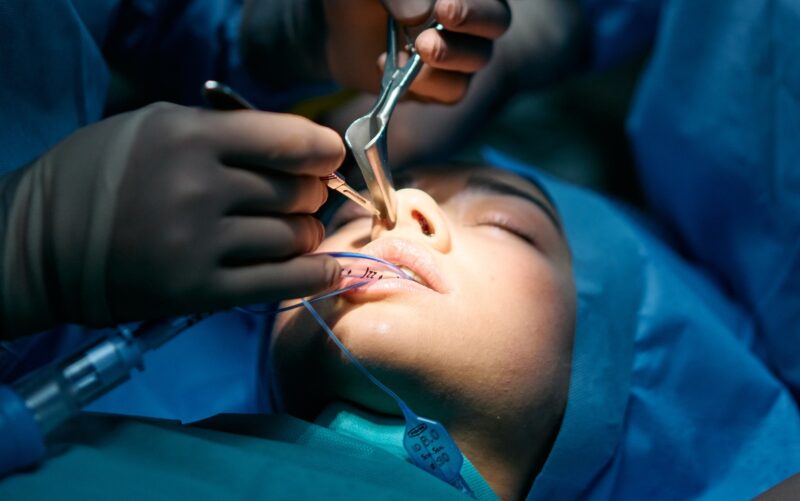

If you are considering a facelift, the research may feel overwhelming. It will only take a few minutes to realize that facelifts include many different types and can be customized to a person’s individual needs. That being said, a helpful place to start in choosing the right facelift for you is deciding among the three most important types: upper facelift, mid facelift, and lower facelift. Understanding the different types of facelifts will put you in the right direction for reaching your goals.
What’s the difference?
It is a common misconception that facelifts always treat all three areas of the face. That being said, a typical facelift focuses on the lower two thirds of the face, starting from the eyes and below. On the other hard, an upper facelift, also known as a brow lift, is often its own separate procedure. Regardless of what area you’re looking to improve, you can combine procedures for a more tailored approach to your needs. Here is an overview of the differences:
- Upper facelift: This type of facelift addresses the area of the upper face, including the brow line and forehead.
- Mid facelift: This type of facelift works to improve the area from the corners of your eyes to the corners of your mouth, including your nose, cheeks, and upper lip.
- Lower facelift: This type of facelift targets laugh lines and your jawline. It also often address under the chin and the neck as well.
Which facelift is right for you?
Understanding the the different types of facelifts is a helpful first step in the process to feeling like a younger, radiant you, but ultimately choosing the facelift procedure requires the expertise from a board-certified surgeon to guide you in how best to customize your surgery. Finding a skilled, specialized, and experienced plastic surgeon is they key to tailoring your procedure and meeting your precise goals.
Frequently Asked Questions
The three main types of facelifts are the upper facelift (brow lift), mid facelift, and lower facelift. Each targets different areas of the face to address specific signs of aging and can be combined for a customized approach.
An upper facelift, also known as a brow lift, focuses on the upper face, including the brow line and forehead. It is often performed as a separate procedure from other facelift types.
A mid facelift improves the area from the corners of the eyes to the corners of the mouth, including the nose, cheeks, and upper lip. It helps restore volume and lift to the middle portion of the face.
A lower facelift targets the lower third of the face, including laugh lines, jawline, under the chin, and neck. It helps tighten and smooth these areas to reduce sagging and wrinkles.
No, facelifts typically focus on the lower two-thirds of the face, starting from the eyes and below. The upper face is usually treated separately with an upper facelift or brow lift.
Yes, different facelift types can be combined to create a more tailored procedure that addresses multiple areas of concern, depending on the patient's individual needs and goals.
Choosing the right facelift requires consultation with a board-certified plastic surgeon who can assess your facial structure and aging concerns to recommend a customized procedure that meets your goals.