
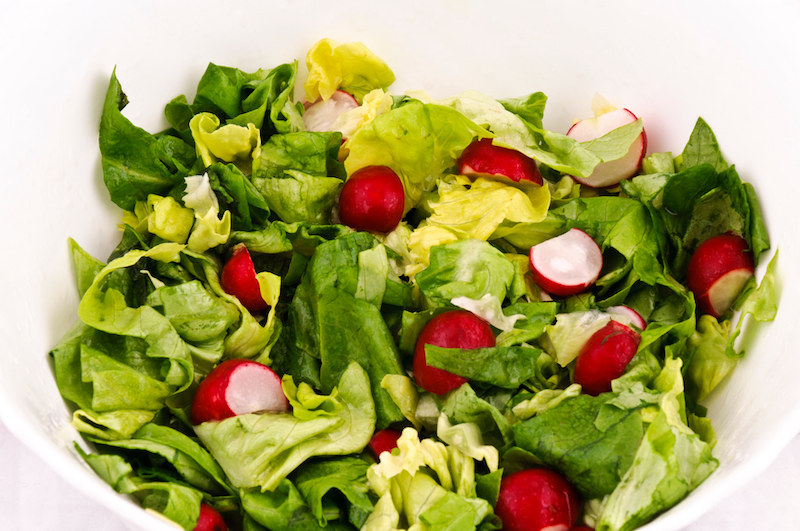
Who know you could eat your SPF? While eating food that prevents sunburn can not entirely replace sunscreen, they serve as helpful reinforcement against sun damage. These high-nutrient options promote skin vibrancy, healing, and overall health.
Tomatoes
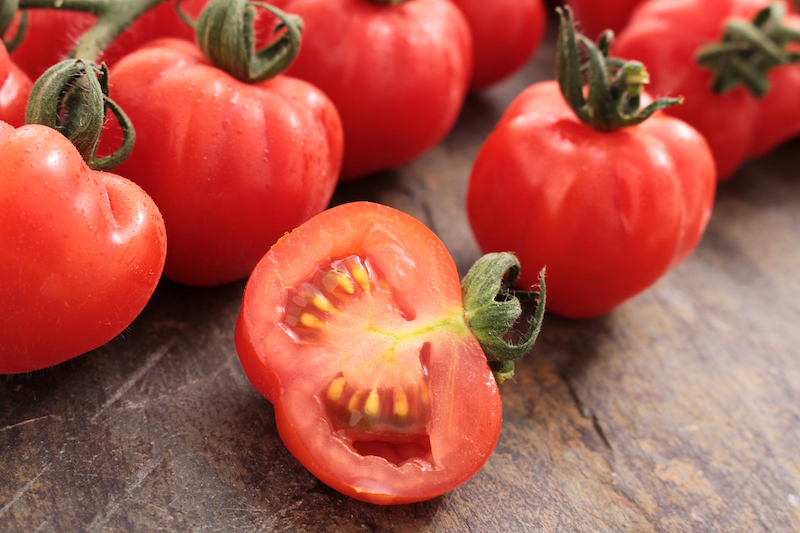
Tomatoes are one of the most significant sources of lycopene, an antioxidant with proven long-term protection against damage from UV-radiation. This goes for plain tomatoes or tomato-based products; so if you’re eyeing that slice of pizza, we say go for it!
Carrots and Sweet Potatoes
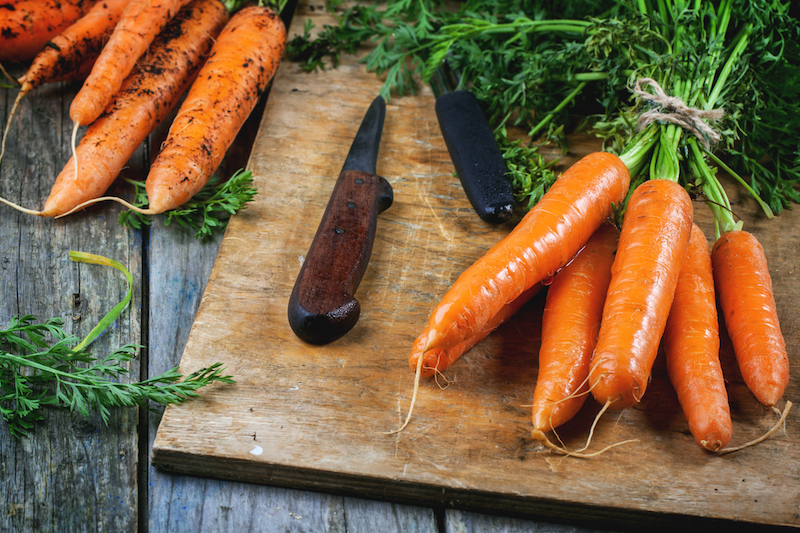
Both of these foods contain high amounts of beta-carotene. Beta-carotene not only shields your skin from harmful sun rays, but it may also reverse existing damage. The high levels of antioxidants protect and repair skin cells from the effects of photoaging.
Dark Leafy Greens
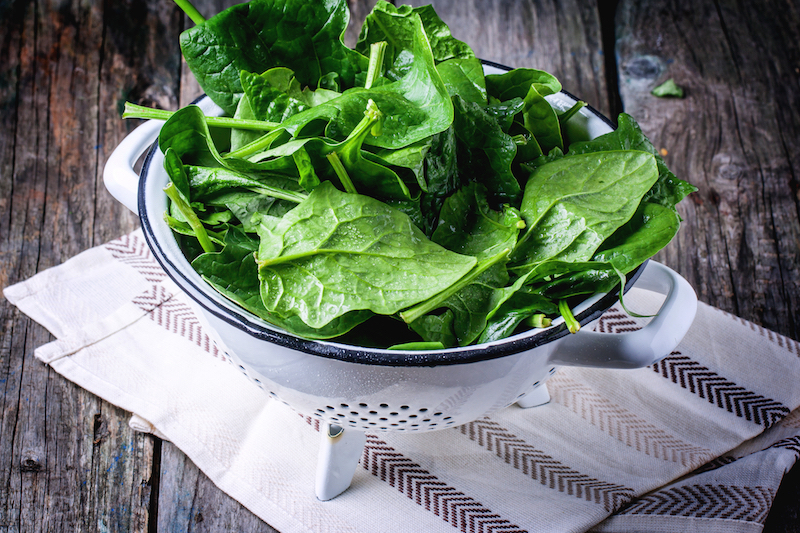
As a helpful reminder, the darker color of the vegetable, the more nutrients you’ll be consuming. Dark leafy greens contain valuable antioxidants that heal the body by reversing free-radical damage.
Watermelon
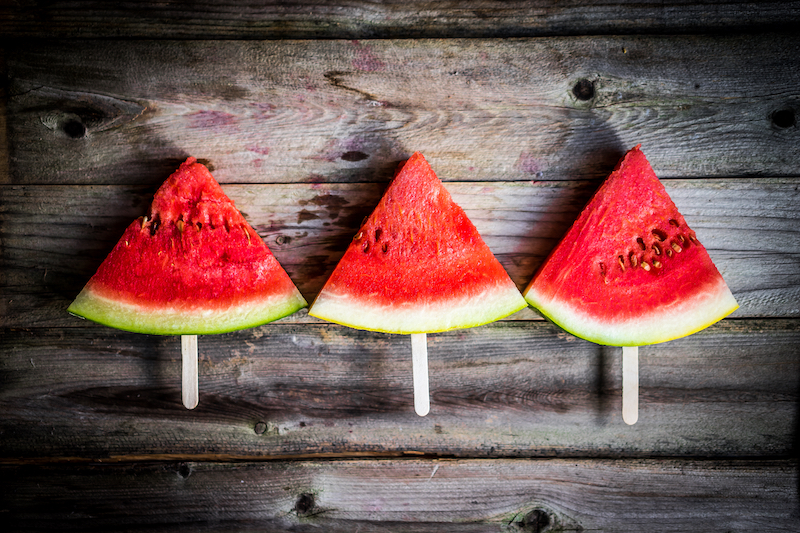
Like tomatoes, watermelon is high in lycopene and another food that prevents sunburn. Ironically, eating these red foods will prevent you from going red after hanging out in the sun.
Kiwi
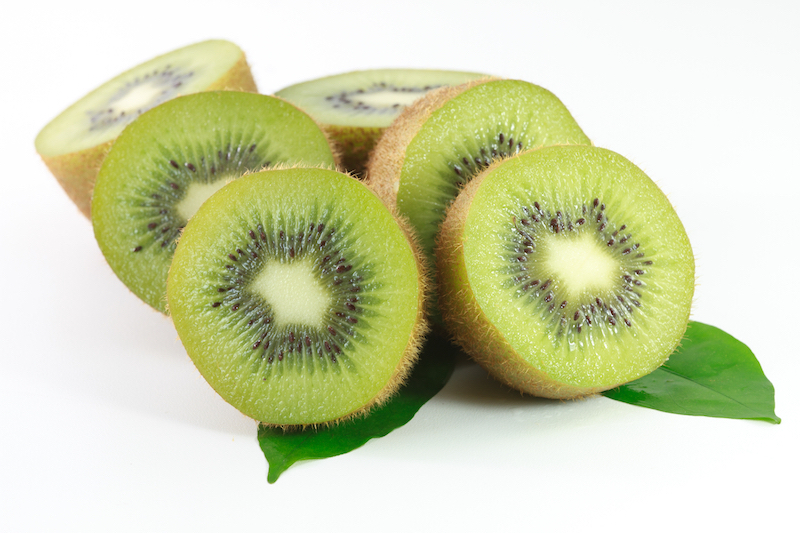
Kiwi, the king of vitamin C, has more than any other fruit. Exposure to sunlight damages cells, which your body responds to by producing cancer-causing free radicals. However, Vitamin C does wonders in blocking the development of cancer cells by killing off the free radicals in your body.
Sunflower Seeds
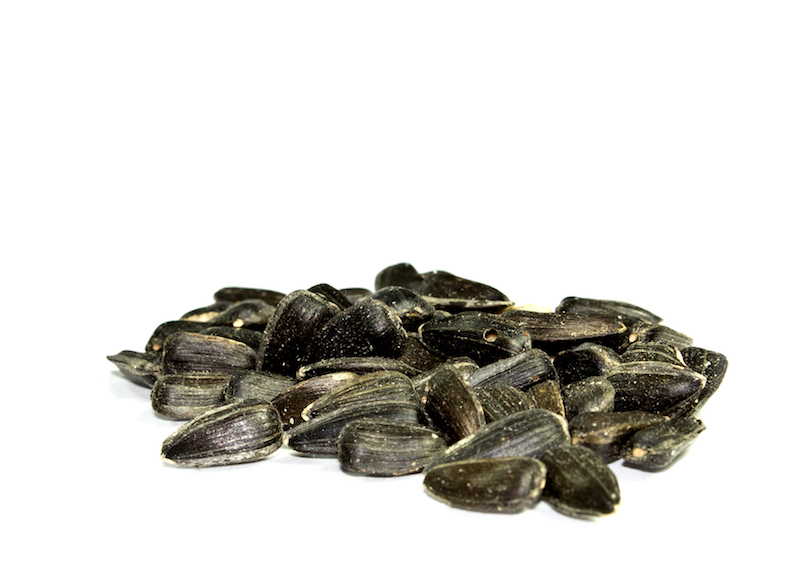
With the word right in the name, these little seeds are your friend when it comes to the sun. Sunflower seeds are full of vitamin E, another helpful antioxidant that combats sun damage. Vitamin E has also shown to slow down the signs of aging and reduce the appearance of scars.
Apples
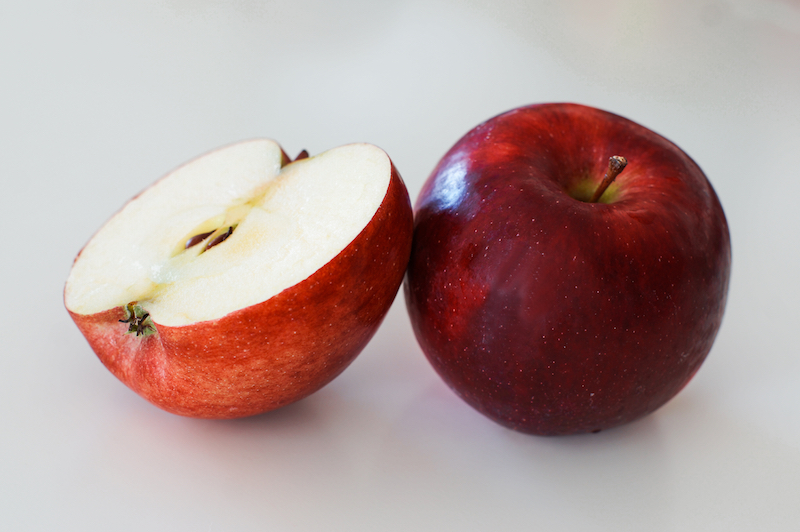
Specifically the red skin on apples help keep skin cancer away. The skin contains triterpenoids, which are chemical compounds shown to block, and even kill, cancer cells.
Dark Chocolate
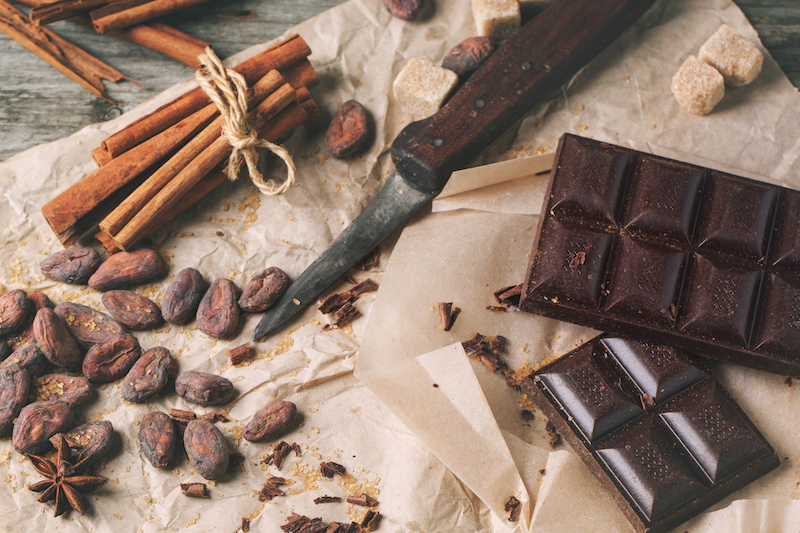
While there’s a time and place for rich milk chocolate, right now we’re talking about that delicious dark stuff, with 65% or more raw cacao. Dark chocolate is chock-full of flavonoids, an important antioxidant that can help protect the body from harmful sun damage.
Frequently Asked Questions
Eating foods that prevent sunburn can provide helpful reinforcement against sun damage but cannot entirely replace the use of sunscreen. These foods promote skin health and protection but should be used in conjunction with topical sun protection methods.
Tomatoes are rich in lycopene, an antioxidant that offers long-term protection against damage from UV radiation. Consuming tomatoes or tomato-based products can help reduce the harmful effects of sun exposure on the skin.
Carrots and sweet potatoes contain high amounts of beta-carotene, which shields the skin from harmful sun rays and may help reverse existing sun damage. Their antioxidants protect and repair skin cells affected by photoaging caused by sun exposure.
Dark leafy greens are packed with antioxidants that help heal the body by reversing free-radical damage caused by sun exposure. The darker the greens, the higher their nutrient content, which supports skin vibrancy and health.
Vitamin C in kiwi helps block the development of cancer cells by neutralizing free radicals produced when skin cells are damaged by sunlight. This antioxidant action reduces the risk of skin cancer and supports overall skin health.
Sunflower seeds are rich in vitamin E, an antioxidant that combats sun damage, slows signs of aging, and reduces the appearance of scars. Including them in your diet can help maintain healthier skin when exposed to the sun.
The red skin of apples contains triterpenoids, chemical compounds that have been shown to block and even kill cancer cells. Eating apples with the skin can help protect against skin cancer and promote healthier skin.
Dark chocolate with 65% or more raw cacao is rich in flavonoids, antioxidants that help protect the body from harmful sun damage. Consuming dark chocolate can support skin health by reducing oxidative stress caused by UV exposure.