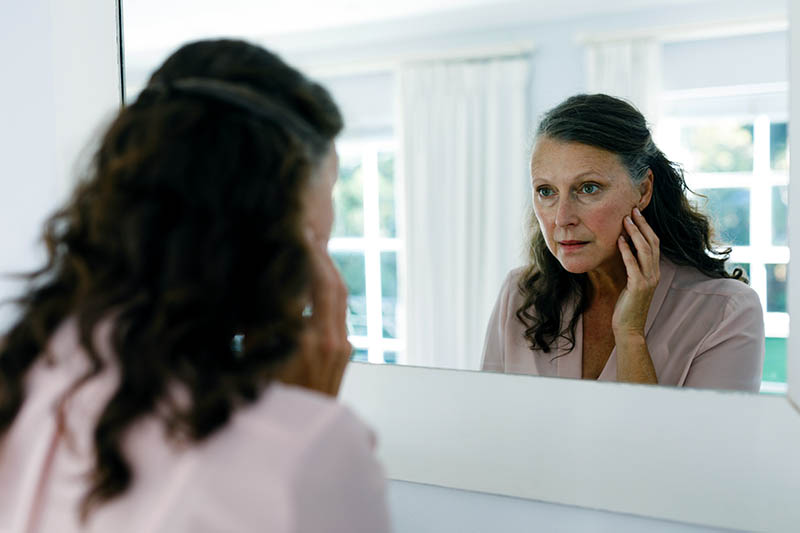

Over the past few years, Botox has become practically a household name, with thousands of people going “under the needle” to treat fine lines and wrinkles through Botox injections. With all of the news about this anti-aging treatment, you may think you have the facts straight, but it turns out, there are a lot of sneaky little secrets about Botox that you may not have heard. Don’t worry, they’re not bad. Check out these surprising facts about Botox — they could change your views on the treatment.
Botox Was Discovered Through Food Poisoning
No, Botox was not “invented” by plastic surgeons in a lab. As it turns out, it was actually discovered back in the 1820s, when a doctor was trying to find the culprit behind a severe case of food poisoning in Germany. He traced the source back to a case of sausage infected with a strand of bacteria he later named “botulism”. It is this very same bacteria that spawned Botox.
Botox Can Be Used To Treat Excessive Sweating
Botox is not just for wrinkles. If you’ve been embarrassed by underarm sweat more times than you can count, know that there is a solution. Botox injected into the sweat glands under the arms temporarily blocks chemical signals from the nerves that produce sweat. The best part is that results can last up to eight months.
Botox Helps Fight Depression
Studies have shown that facial expressions can have an impact on emotions. If your facial muscles are constantly tense or you feel (and look) sad, you may feel similarly emotionally. Botox can help relax facial muscles, interrupting feedback from the facial muscles to the brain to end the cycle of negative emotions.
It Cures Migraines
Migraine sufferers, rejoice! Botox has been proven by the FDA as a treatment to control migraine headaches. While no one is exactly sure how this works, the most popular theory is that Botox works to prevent pain signals from reaching nerve endings.
If you’ve written off Botox because you thought it was just for wrinkles, think again. Botox can be a wonderful treatment for a variety of symptoms and ailments. Schedule a consultation with Dr. Horn today to find out if Botox is right for you.
Frequently Asked Questions
Botox was discovered in the 1820s when a doctor investigated a severe case of food poisoning caused by bacteria found in infected sausage. This bacteria, later named botulism, is the source from which Botox was developed.
Yes, Botox is not only used for reducing wrinkles but also treats other conditions such as excessive sweating, depression, and migraines. It works by blocking nerve signals or relaxing muscles depending on the treatment area.
Botox injections can be administered into the sweat glands under the arms to temporarily block the chemical signals from nerves that trigger sweat production. This treatment can reduce sweating for up to eight months.
Botox helps fight depression by relaxing facial muscles that are tense or convey sadness. This relaxation interrupts the feedback loop between facial expressions and the brain, potentially reducing negative emotions.
Yes, Botox is FDA-approved for controlling migraine headaches. Although the exact mechanism is unclear, it is believed that Botox prevents pain signals from reaching nerve endings, thereby reducing migraine frequency and severity.
The effects of Botox injections for excessive sweating can last up to eight months, providing a temporary but effective solution for people struggling with underarm sweat.
Individuals interested in treating wrinkles, excessive sweating, depression symptoms, or migraines should consider scheduling a consultation with a qualified provider like Dr. Horn to determine if Botox is the right treatment for their needs.