
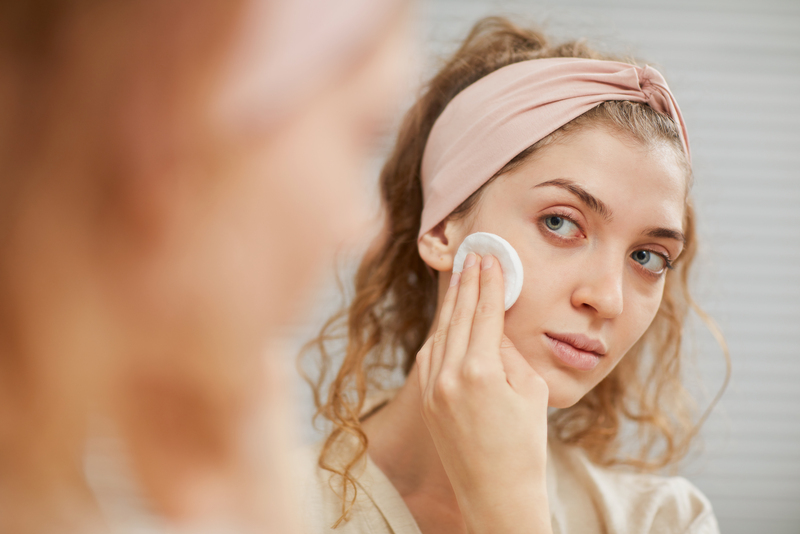
With the back-to-school season in full swing, it is no longer the lazy summer season. For many, we now have to adjust back to our usual routine, which during the school year can be a hectic one. The school year can be exhausting for both students and teachers, and finding time for self-care can be a bit more complicated. However, skimping out on self-care is not an option after spending time in the summer sun, and this especially goes for your skin. Luckily you don’t need to spend a lot of time on your back-to-school skincare routine if you want your skin to look and feel its best.
An Easy Back to School Skincare Routine for Morning and Night
Getting into the routine of taking care of your skin, in the morning and at night may take a little time to get used to. But with this easy back-to-school skincare routine, it shouldn’t take you any longer than 10 minutes per session to practice some self-care. Plus, noticing how great your skin looks and feels will make it easy to make it a part of your daily routine.
In the Morning:
Clean Your Skin: You should first clean your skin every morning. If you already have a favorite cleanser that works for you, stick with what you got. Otherwise, look for a low pH cleanser if you are in the market for a facial cleanser to balance and clean the skin. Our skin is slightly acidic and should stay that way, so using a facial cleanser is essential to keep your skin’s natural barrier intact.
Moisturize: After you clean and pat dry your skin, it’s time to moisturize your skin. Using facial toner and serums should be a part of your regular moisturizing routine. Using a toner can prep your skin for a moisturizer and help eliminate excess dirt, oil, and makeup. Anything that might be left over after you wash your face. Then apply a moisturizer to your skin. If you happen to use a serum and a cream moisturizer on particular days (especially on those cold days or late-night sessions!), then make sure you apply them from the lightest to the heaviest for best results. Wait a few minutes in between each application.
Applying Sunscreen: This step might need to happen before or after you moisturize. It all depends on the sunscreen you are using since chemical and mineral sunscreens are available. Chemical sunscreens need to get absorbed into the skin, so they should be applied before moisturizing. In comparison, mineral sunscreens should go on after you moisturize since they need to sit on top of your skin to shield it from the sun’s harmful UV rays.
In the Night:
Wash the Day Away: Once again, you should wash your face. Between the grime from the day, you don’t want to go to sleep like that on top of anything you have put on your face. Using cleansing (micellar) water is a great way to gently remove oil, dirt, and makeup from the skin. Micellar, or cleansing water, can also be used as a toner. Then follow up with your favorite facial cleanser. You may choose the same one you use in the morning or another variety that works well with your skin.
Apply Treatments: Now is the time to address skin issue’s that you would like to improve upon. Your skin can heal while you sleep, so follow up with a product that treats a problem area such as dullness, redness, pimples, and blackheads. However, don’t layer up your treatment serums. Choose the best one for your needs that day, and just stick with one to reduce the risk of irritation.
Moisturize: You can use a face oil before your moisturizer or just a night cream alone. Using a face oil and then a moisturizer might be appropriate for some nights, but on those days that your skin needs extra moisture, do not use the same moisturizer you used in the morning. Instead, use a night cream or moisturizer that can be absorbed through the night. Night creams are typically thicker, creating a protective coating and preventing the evaporation of your skin’s water content.
Frequently Asked Questions
The back-to-school season marks a transition from the relaxed summer months to a busier routine, which can make self-care more challenging. Maintaining a skincare routine is essential to keep your skin healthy and refreshed, especially after exposure to summer sun, helping you look and feel your best despite the hectic schedule.
A morning skincare routine should start with cleansing your skin using a low pH cleanser to maintain your skin's natural barrier. Next, apply toner and serums to prep and treat your skin, followed by a moisturizer. Finally, apply sunscreen appropriately depending on whether it is chemical (before moisturizer) or mineral (after moisturizer) to protect your skin from UV rays.
Sunscreen application depends on the type you use. Chemical sunscreens need to be absorbed into the skin, so apply them before moisturizing. Mineral sunscreens sit on top of the skin to block UV rays and should be applied after moisturizing to ensure effective protection.
At night, start by removing dirt, oil, and makeup with micellar or cleansing water, followed by your facial cleanser. Then apply a treatment product targeting specific skin concerns, but use only one to avoid irritation. Finish with a night cream or moisturizer, optionally layering a face oil before the moisturizer for extra hydration.
Layering multiple treatment serums can increase the risk of skin irritation and sensitivity. It is best to choose one treatment serum that addresses your primary skin concern each night to allow your skin to heal effectively while minimizing potential adverse reactions.
Night creams are typically thicker and designed to create a protective barrier on the skin, preventing water loss while you sleep. This helps your skin retain moisture and supports the natural healing process overnight, making them more effective for nighttime use compared to regular moisturizers.
Yes, micellar water is a gentle cleansing option that effectively removes oil, dirt, and makeup. It can also function as a toner by eliminating residual impurities after cleansing, making it a versatile product in your nighttime skincare routine.