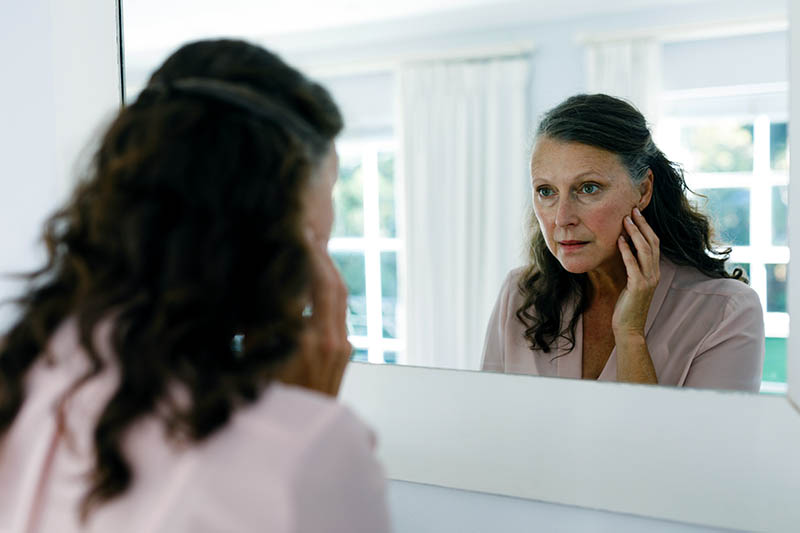
We are in the height of the spring season. That means warmer temperatures are here, and the ability to lose all of those winter layers has finally arrived. Spending time outdoors can feel great on your skin, especially since many of us have had a long hibernation period during the winter. Unfortunately, the spring season brings with it allergies, and this season is especially bad. Allergies can quickly put a damper on your day and make it challenging to spend time outside without dealing with nasal congestion, squeezing a scratchy throat, and other unpleasant symptoms. Unfortunately, spring allergies don’t just have the ability to make you feel under the weather. They can affect your skin as well. There is a connection between allergies and your skin, as one can affect the other, so if you notice a change in your skin’s appearance (and you have allergies), allergies are likely to blame.
What is the Connection Between Spring Allergies and Your Skin?
Allergies don’t just affect how you feel. Allergies can also affect the look and feel of your skin. If you are wondering if the change in the appearance of your skin is related to allergies, here are the three things to look out for.
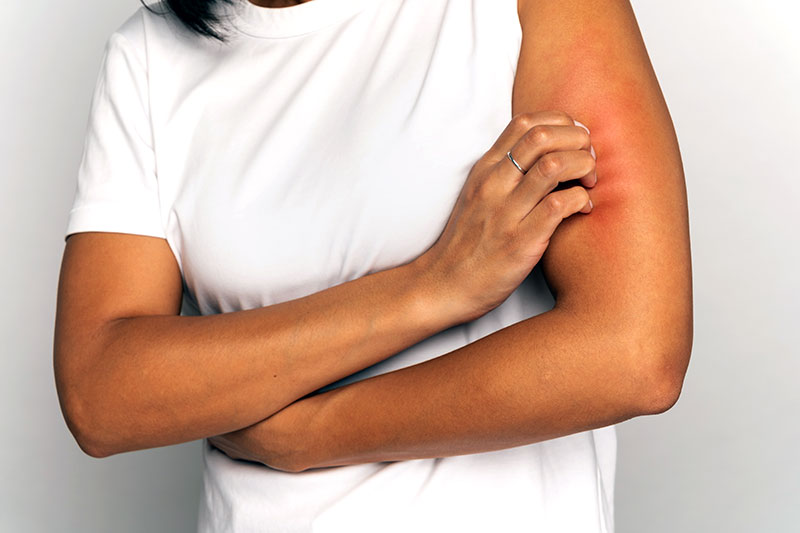
Eczema– Allergies can trigger a flare-up if you already deal with eczema. The tell-tale sign is dealing with red, itchy rashes on the skin. Airborne allergens such as dust mites and pollen can cause severe outbreaks.
Conjunctivitis– When exposed to allergens such as grass, tree, and flower pollen, it can affect the sensitive skin around the eyes. Your inner eyelid and the membranes lining the eye can become itchy and inflamed when this happens.
Inflammation– Allergens can cause your sinuses and respiratory tract to become inflamed, and this can also affect your skin. Inflammation that occurs from allergens can affect the look and feel of your skin by causing your skin to develop hives and become dry and itchy.
How Can I Prevent Allergen-Related Skin Irritation?
While avoiding allergens is not always possible, there are ways to limit your exposure.
- Using air conditioning inside your home, instead of keeping the windows open
- Staying inside when pollen counts outside are high
- Using an allergen-proof mattress cover
- Washing your bedsheets weekly in hot water
- Using only dye and fragrance-free products on your skin
Frequently Asked Questions
Spring allergies can trigger various skin issues such as eczema flare-ups, conjunctivitis, and inflammation. Allergens like pollen and dust mites can cause red, itchy rashes, irritation around the eyes, and hives, making the skin dry and uncomfortable.
If you notice red, itchy rashes typical of eczema, inflammation around your eyes, or hives and dry patches on your skin during allergy season, these are likely signs that your allergies are impacting your skin's health and appearance.
Yes, allergies can trigger eczema flare-ups, especially when exposed to airborne allergens like pollen and dust mites. These allergens can cause the skin to become red, itchy, and inflamed, worsening eczema symptoms.
Conjunctivitis, often called pink eye, is inflammation of the membranes lining the eye and inner eyelid. Spring allergens such as grass, tree, and flower pollen can cause allergic conjunctivitis, leading to itchy, red, and irritated eyes.
To prevent allergen-related skin irritation, limit exposure by using air conditioning instead of open windows, staying indoors when pollen counts are high, using allergen-proof mattress covers, washing bedsheets weekly in hot water, and choosing dye- and fragrance-free skin products.
Allergic reactions cause inflammation in the sinuses and respiratory tract, which can extend to the skin. This inflammation can result in hives, dryness, and itchiness, altering the skin's appearance and comfort.
Yes, using dye- and fragrance-free skin products is recommended to avoid further irritation. These products are less likely to trigger allergic reactions or worsen existing skin conditions during allergy season.