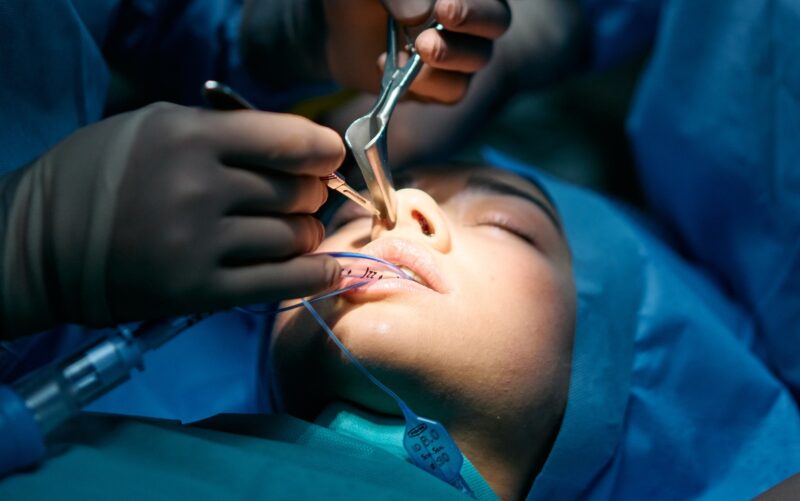
Rhinoplasty surgery is considered to be one of the most popular cosmetic procedures in the United States. While rhinoplasty surgery can correct a humped nasal bridge, a disproportionate nose, and a bulbous tip, it is also used to fix problems with the nose or nostrils. There are many reasons why a person would undergo a rhinoplasty, and not all of them are for vanity purposes. Congenital defects, trauma, impaired nasal function, and even a botched previous rhinoplasty are some of the reasons why a person would undergo surgery. No matter your reasons for nose reshaping, it is imperative that you know what to avoid after rhinoplasty surgery if you want the best results.
What Should I Avoid After Rhinoplasty Surgery?
Avoid heat– Being outside in hot weather, taking hot showers, and consuming hot foods and beverages can aggravate nasal swelling, so avoid any form of excessive heat while you heal.
Vigorous exercise– Participating in strenuous exercise can worsen the swelling in your nose after rhinoplasty, so avoid vigorous activity until your nasal bones have healed fully and your doctor clears you.
Smoking– Before and after surgery, you mustn’t smoke or chew nicotine. This is because nicotine restricts blood flow, hindering the healing process. Also, being around others who smoke is not advisable.
Sleeping on your side or stomach– Unfortunately, you will need to adjust your sleeping habits while you heal if you are a stomach or side sleeper. Sleeping with your head elevated is necessary while your nasal bones heal, so use pillows to prop your head up or sleep in a recliner.
Blowing your nose– You should avoid blowing your nose for the first six weeks following a rhinoplasty. Unfortunately, this can be difficult and uncomfortable since your nasal tissues are likely to be inflamed, making you feel like you need to blow your nose. Also, when you sneeze, try to sneeze out of your mouth and not your nose.
Avoid wearing glasses– After surgery, you want to avoid having any sort of pressure on the nose for about six weeks. Otherwise, you risk additional bruising and swelling, which could negatively affect the surgical results. However, if you have to wear glasses for any reason, make sure you wear your surgical splint on your nose underneath your glasses.
Sun exposure– If you happen to be a sun worshipper, try to schedule your surgery during the winter months since you need to stay out of the sun during the healing process. Until your skin and nasal bones are healed, your skin will be more susceptible to sunburn. While you should never want to get sunburnt, you will want to avoid the sun after a rhinoplasty since sunburn can deepen the appearance of scars.
If you are interested in a rhinoplasty in NYC, contact us today to schedule.
Frequently Asked Questions
After rhinoplasty surgery, you should avoid exposure to heat, vigorous exercise, smoking, sleeping on your side or stomach, blowing your nose, wearing glasses that put pressure on your nose, and sun exposure. These activities can increase swelling, hinder healing, or negatively affect surgical results.
Heat from hot weather, showers, or foods can aggravate nasal swelling after rhinoplasty surgery. Avoiding excessive heat helps reduce inflammation and promotes better healing of the nasal tissues.
You should avoid blowing your nose for the first six weeks following rhinoplasty surgery. Blowing your nose too soon can disrupt healing tissues and increase swelling or bleeding. If you need to sneeze, try to sneeze through your mouth instead of your nose.
It is recommended to avoid wearing glasses that rest on your nose for about six weeks after surgery to prevent pressure that can cause bruising and swelling. If you must wear glasses, use your surgical splint underneath them to distribute pressure safely.
Smoking and nicotine use restrict blood flow, which impairs the healing process after rhinoplasty surgery. Avoiding smoking and exposure to secondhand smoke helps ensure better recovery and reduces the risk of complications.
After rhinoplasty, you should sleep with your head elevated on your back to avoid pressure on the nose. Using pillows or a recliner to keep your head raised helps reduce swelling and protects the nasal bones during healing.
Sun exposure should be avoided during rhinoplasty recovery because the skin and nasal bones are more susceptible to sunburn, which can deepen scars and negatively impact the appearance of surgical results. Scheduling surgery in winter can help minimize sun exposure during healing.