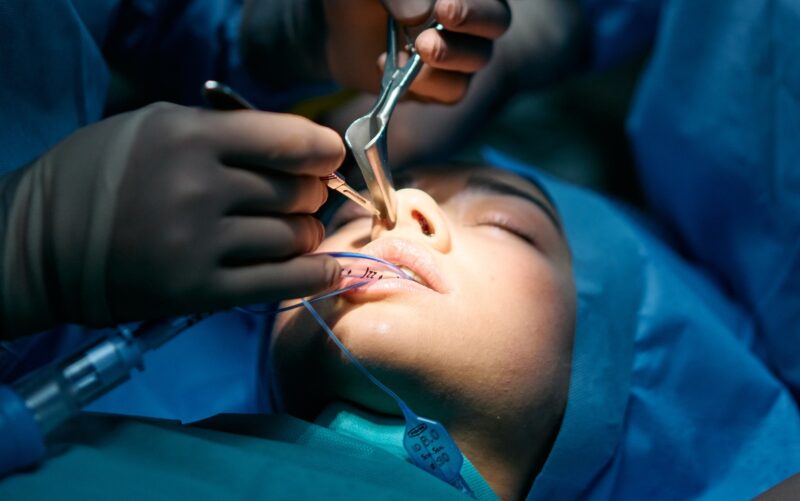

Due to the common misconceptions about plastic surgery, many view this medical specialty as a frivolous practice. However, plastic surgeons are highly trained to perform life-changing procedures. While some individuals opt for plastic surgery for cosmetic reasons, many go under the knife to have reconstructive surgery after a horrific accident.
While many may have an adverse reaction to the idea of plastic surgery, there is more to going under the knife than some think. To help put some of the myths to bed, here are some of the common misconceptions about plastic surgery.
The Recovery Process is Long
Due to advancements in techniques and pain control, patients are often able to get back to their daily life rather quickly. While the healing process does take some time, most plastic surgery patients are able to return to their normal activities within a few weeks as long as they follow their doctor’s instructions.
Plastic Surgery is Dangerous
Every time you go under the knife and have an operation, there are risks involved. However, plastic surgery is not any more dangerous than any other surgical procedure. By talking with your surgeon, you can learn more about the potential risks and complications for the procedure in question.
Plastic Surgery is Obvious Looking on a Person
The media often shows us the extreme version of plastic surgery, but those types of surgeries are only a small part of what plastic surgeons do. A good plastic surgeon will aim to make it look like you have not had plastic surgery, and will aim to give you a natural look. If you ask everyone you know, the chances are high that you know at least one person who has had plastic surgery in the past.
Plastic Surgery is Done for Vanity Purposes
Some individuals do get plastic surgery for aesthetic reasons, but often the result of this is an improved body image. For many, this improves their quality of life, so why not do it? However, plastic surgery is not performed just to improve your appearance. It is also used to repair birth defects, restore bodily function in a limb, repairing skin after a severe burn, etc.
Frequently Asked Questions
Thanks to advancements in surgical techniques and pain management, the recovery process after plastic surgery is often quicker than many expect. Most patients can return to their normal daily activities within a few weeks, provided they follow their surgeon's post-operative instructions carefully.
Plastic surgery carries risks similar to any other surgical procedure, but it is not inherently more dangerous. Discussing potential risks and complications with your plastic surgeon can help you understand what to expect and how to minimize those risks.
Contrary to popular belief, most plastic surgeries aim for natural-looking results. Skilled plastic surgeons focus on enhancing or restoring appearance in a way that does not look artificial or obvious to others.
While some plastic surgeries are done for aesthetic enhancement, many procedures are reconstructive and medically necessary. Plastic surgery can repair birth defects, restore function after injuries, and improve quality of life beyond just appearance.
Yes, plastic surgery can significantly improve a person's quality of life by enhancing body image, restoring function, and repairing damage from accidents or medical conditions. This improvement can lead to increased confidence and overall well-being.
Extreme or exaggerated plastic surgery results are rare and often highlighted by the media. Most plastic surgeons strive for subtle, natural enhancements that blend seamlessly with a person's features.