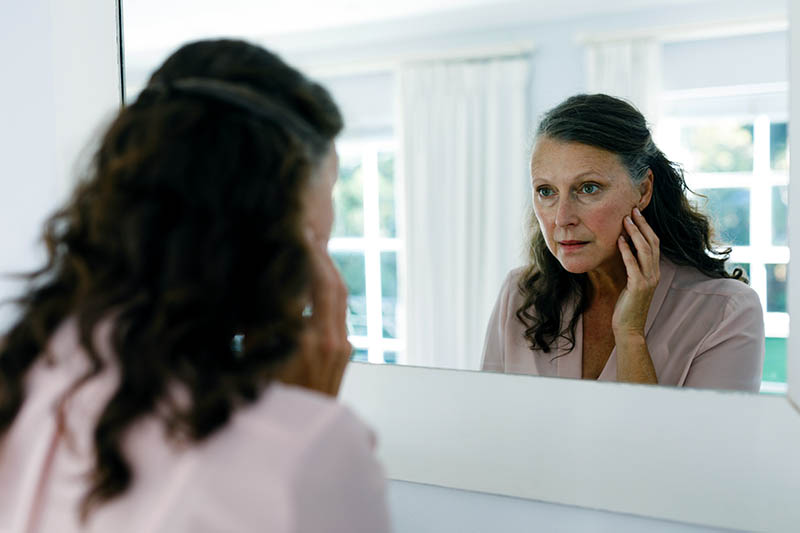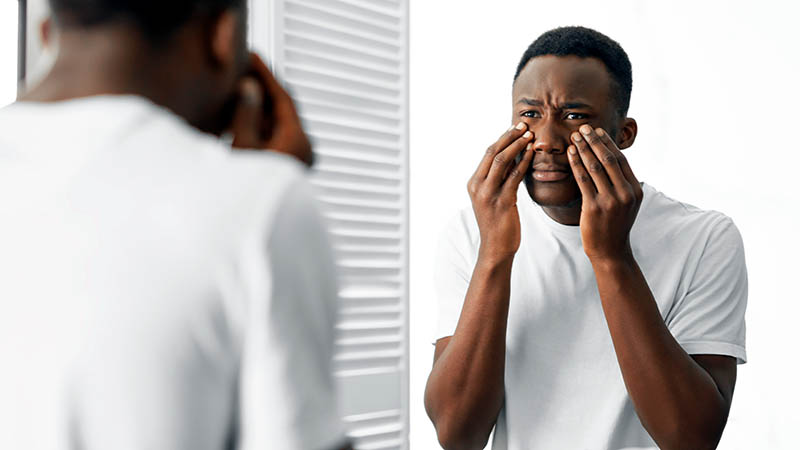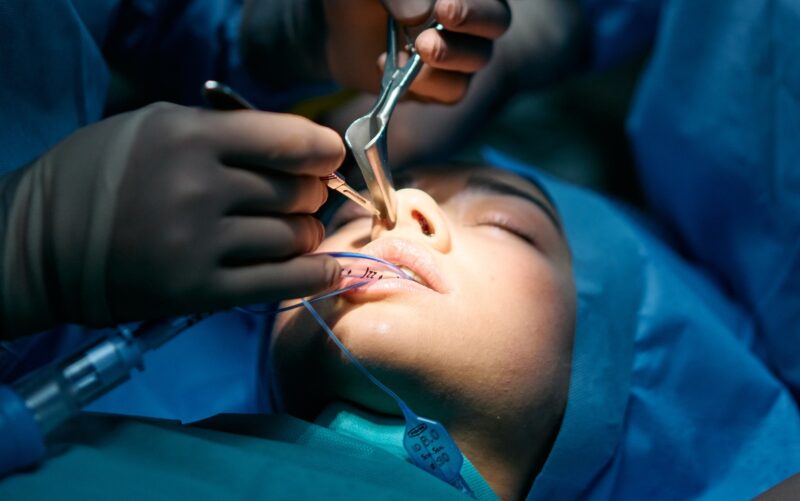

Having plastic surgery during the summer is not for everyone. Many want to use this time to spend time with family at an outdoor gathering or hanging out by the pool. But there is an upside to having plastic surgery done during the summertime. For some, getting time off from work may be more manageable. Also, getting an appointment with your surgeon may be less of a headache, since some plastic surgeons may have more flexibility when it comes to scheduling during the summer months. However, if you want to have a speedy recovery, knowing some helpful summer plastic surgery recovery tips can help ensure a smooth recovery.
While having plastic surgery during the summer is not exactly ideal, in some cases, it may be the only downtime you have. If you can’t avoid going under the knife during the summer, check out these helpful summer plastic surgery recovery tips.
• The last thing you want to be while healing is hot and miserable. Your procedure may leave you heavily bandaged, which can make the summer heat feel even more oppressive. Aim to stay indoors while you heal. This way, you can remain cool and comfortable while your body heals.
• While staying hydrated during the summer is essential. It becomes even more so before and after surgery. Drinking plenty of water and staying hydrated can help speed up the healing process, and can also help reduce post-surgery symptoms. Dehydration can actually increase your chances of experiencing uncomfortable symptoms.
• While you are healing from plastic surgery, stay out of the sun! After plastic surgery, you may be more susceptible to sunburn, so aim to keep out of the sun as much as possible. If you can’t avoid it, wear a large hat and other garments that can help block the harmful UV rays.
• When you can’t stay out of the sun, make sure that you wear sunscreen. Remaining diligent on reapplying your sunscreen is also important since your scars can become permanently darkened if it receives too much sun exposure. Exercise extreme caution while your incision scars are still pink.
• Getting a good night’s rest every night is critical when you are trying to heal from surgery. Sleep helps the body heal and can help reduce inflammation. Sleep deprivation can negatively impact the healing process, so make sure you get enough rest. Make sure to listen to your body, which means if you feel the need to take a mid-afternoon nap, take it.
• If you plan on having surgery and a vacation during the summer, make sure you do not over-schedule yourself. Anytime you are planning an activity, outing, or trip, make sure you take your surgery into consideration. Leave yourself with enough time to heal. This way, the healing process doesn’t throw a wrench into your plans.
Frequently Asked Questions
Summer may not be ideal for everyone to have plastic surgery due to heat and outdoor activities, but it can be convenient for those who have more flexible schedules or limited downtime. Some surgeons also have more availability during summer months, making scheduling easier.
Key recovery tips include staying indoors to avoid heat and discomfort, drinking plenty of water to stay hydrated, avoiding sun exposure to protect sensitive skin and scars, wearing sunscreen diligently, and getting ample rest to promote healing and reduce inflammation.
Hydration is crucial because it helps speed up the healing process and reduces post-surgery symptoms. Dehydration can worsen discomfort and delay recovery, so drinking plenty of water before and after surgery is essential, especially in the summer heat.
Sun exposure can increase the risk of sunburn and cause permanent darkening of scars, especially while incision scars are still pink and healing. It is important to avoid direct sun, wear protective clothing, and apply sunscreen regularly to protect sensitive skin during recovery.
Getting a good night's sleep is critical for healing because sleep helps reduce inflammation and supports the body's natural repair processes. Lack of sleep can negatively impact recovery, so it is important to rest well and listen to your body's needs, including taking naps if necessary.
You should avoid over-scheduling and allow sufficient time for healing before engaging in activities or vacations. Planning with your surgery recovery in mind helps prevent complications and ensures your healing process does not interfere with your plans.