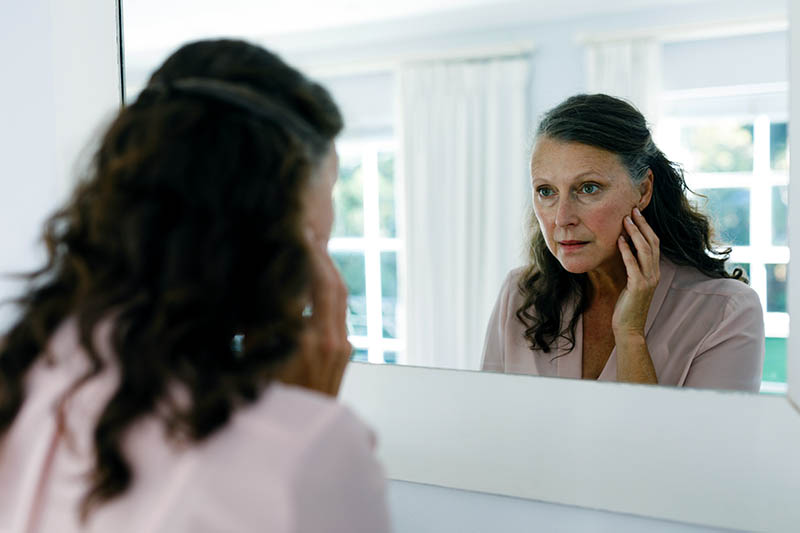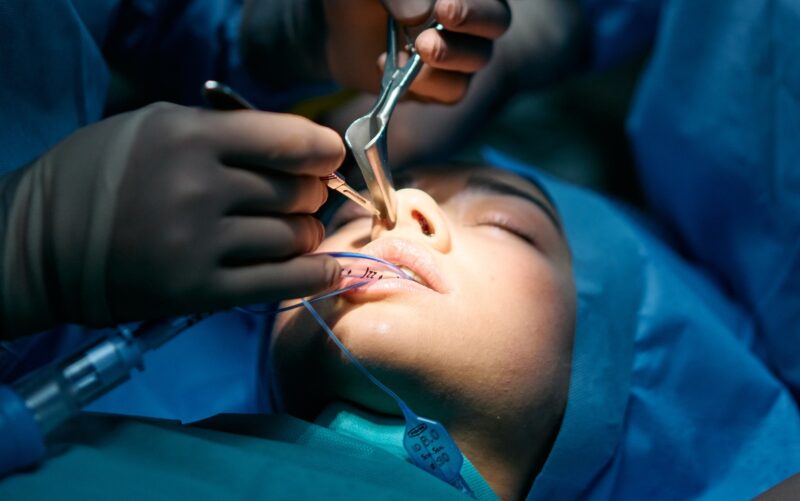

The most disappointing feeling is failing to receive the surgical results you expected and desire. Though still a rarity, this seems to happen to rhinoplasty patients more often than other surgical procedures. Why do patients seek revision rhinoplasty and better yet, how do you know if you need a second surgery?
Why Do Patients Seek Revision Rhinoplasty?
- There are a number of reasons why a person may seek out revision rhinoplasty. For starters, though rhinoplasty is used to correct a deviated septum, your septum may shift and deviate after your surgery. This isn’t the patient’s nor the surgeon’s fault. Sometimes parts of our bodies need to shift in order to better accommodate the healing process.
- Alternatively, nasal obstruction or a nasal valve collapse may occur post-surgery. An external valve collapse occurs when the cartilage tip begins to weaken and collapse itself. If a surgeon does not take these factors into account and fails to balance the nose accordingly, a nasal valve collapse may ensue.
- Another reason someone may seek revision rhinoplasty is to obtain a more desired physical result. Sometimes, the patient comes out with a well-functioning nose but does not like the aesthetics or outcome of the surgical procedure.
Do you need secondary surgery? Here are the common reasons why patients seek out revisional surgery:
- Asymmetry
- Nasal collapse
- Nasal airway obstruction
- Undesired cosmetic appearance
- Excessive scarring/scar tissue
Surgical Tips and Details
- Revision rhinoplasty can be especially hard because the natural positioning and composition of the nose have already been altered from the prior surgery. This is why choosing a trustworthy surgeon is super important the second time around. If the surgeon is not familiar with secondary surgery, it’s best to seek out other options. If comfortable, a patient may want to ask the surgeon’s history of rhinoplasty and secondary surgeries.
- A good way to pick out a surgeon is to visit their website or social media profiles. Scan through their patient photo gallery and take note of both the before and after images. Take the surgeon’s previous work into consideration before you decide on a surgeon for your revision rhinoplasty.
- In order to avoid any confusion and achieve your desired result, it’s important to be transparent and communicative with your surgeon. After all, they are altering the size, shape, and positioning of your face. Be vocal about where you think your last surgeon went wrong, and be upfront about your questions and concerns.
Frequently Asked Questions
Patients seek revision rhinoplasty for various reasons including a shifted or deviated septum after the initial surgery, nasal obstruction or valve collapse, and dissatisfaction with the cosmetic outcome. These issues can arise due to natural healing processes or surgical factors that affect nasal function and appearance.
Common reasons for secondary rhinoplasty include asymmetry, nasal collapse, nasal airway obstruction, undesired cosmetic appearance, and excessive scarring or scar tissue. These complications can affect both the function and aesthetics of the nose, prompting patients to consider revision surgery.
Nasal valve collapse can occur when the cartilage tip weakens and collapses post-surgery. If the surgeon does not properly balance the nose during the initial procedure, this can lead to an external valve collapse, causing nasal obstruction and breathing difficulties.
Revision rhinoplasty is more challenging because the nose's natural structure has already been altered. An experienced surgeon familiar with secondary surgeries is crucial to address previous changes effectively and avoid further complications. Reviewing a surgeon’s history and patient results can help ensure expertise in revision procedures.
Patients should be transparent and communicative about their previous surgery outcomes, concerns, and expectations. Being vocal about what went wrong in the initial surgery and asking questions helps the surgeon understand the patient’s goals and plan the revision accordingly for better results.
Yes, the septum can shift or deviate again after rhinoplasty as part of the natural healing process. This is not due to fault of the patient or surgeon but can necessitate revision surgery if it causes functional or aesthetic issues.
Patients can evaluate a surgeon’s skill by reviewing their website or social media profiles, especially before and after photo galleries of previous rhinoplasty and revision cases. This helps assess the surgeon’s experience and the quality of their work before making a decision.