
The protruding positioning of our nose makes it particularly vulnerable to injury. Though nasal trauma is pretty common, many don’t know what to do with a broken nose. Here’s how to take care of nasal trauma and the different nose injury treatment options available.
What To Do
It’s common to experience heavy bleeding after facing forceful nasal trauma. When this happens, it’s best to sit upright and lean forward to control and reduce the blood pressure in your nose. You may also want to sleep with your head raised to reduce the pain and swelling.
Icing the affected area is okay, but make sure to do so in 20-minute intervals. Do not do anything to irritate your nose, including blowing your nose, sharp inhaling, or picking your nose. If your nose appears to be slightly crooked or misshapen from the impact, do not try to realign it yourself. It’s better to seek medical attention to ensure you’re not doing anything to further damage your nose.
You may have broken your nose if you are experiencing:
- A crunching/crackling sound each time you touch your nose
- Difficulty breathing through your nose
- Tenderness and swelling in the affected area
- Bruising/black eye
Nose Injury Treatment Options
Depending on the injury, you may need to seek medical treatment for relief. At New York Facial Plastics, we perform two different nasal repair surgeries for outpatients.
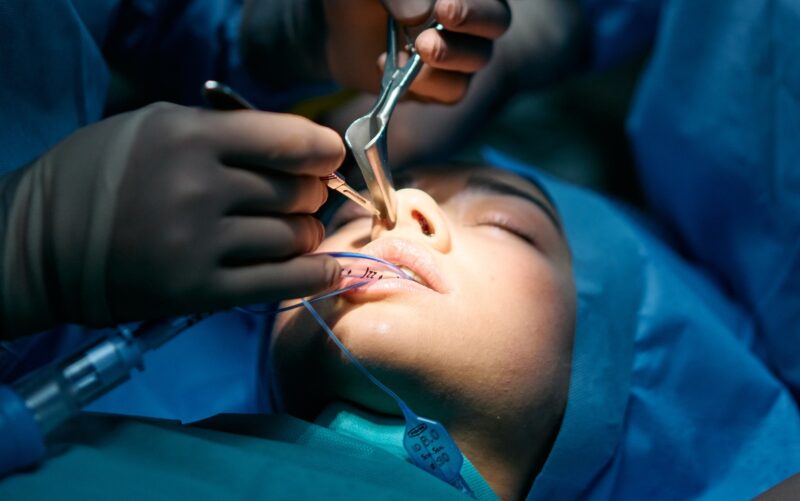
Rhinoplasty: Rhinoplasty is the most commonly known treatment option and is used for both cosmetic and reconstructive purposes. Rhinoplasty helps correct any deformity in your nose or nostrils while maintaining a natural look.
Nasal Valve Repair: This surgery is also known as Nasal Reconstruction. Nasal Valve Repair may improve breathing, correct a collapsed nasal valve, change the shape, size, and angle of the nose and address congenital differences.
Frequently Asked Questions
After a nasal injury, sit upright and lean forward to reduce blood pressure in the nose and control bleeding. Avoid blowing, picking, or sharply inhaling through your nose, and apply ice in 20-minute intervals to reduce swelling and pain. Sleeping with your head elevated can also help minimize discomfort.
Signs of a broken nose include a crunching or crackling sound when touching the nose, difficulty breathing through the nose, tenderness and swelling, and bruising or a black eye. If you notice these symptoms, it is important to seek medical evaluation rather than attempting to realign the nose yourself.
No, you should not attempt to realign a crooked or misshapen nose yourself after an injury. Improper handling can cause further damage. It is best to seek professional medical attention to ensure proper diagnosis and treatment.
Treatment options for a broken nose include surgical procedures such as rhinoplasty and nasal valve repair. Rhinoplasty can correct deformities for both cosmetic and reconstructive purposes, while nasal valve repair improves breathing and addresses structural issues like a collapsed nasal valve or congenital differences.
Rhinoplasty is a surgical procedure used to correct deformities of the nose or nostrils, restoring a natural appearance. It serves both cosmetic and reconstructive purposes, making it a common treatment option for nasal injuries that result in visible deformities.
Nasal valve repair, also known as nasal reconstruction, is a surgery that improves breathing by correcting a collapsed nasal valve. It can also change the shape, size, and angle of the nose and address congenital differences, providing both functional and aesthetic benefits.