Do you have a deviated septum? If so, you may want to look into deviated septum surgery to lessen your symptoms.
What is a deviated septum?
Your septum is the wall that divides your nose into two nasal pathways, aka your nostrils. When someone has a deviated septum, they usually have a nasal passage that is much smaller/larger than the other. Those with a significant deviation may have trouble breathing, frequent nosebleeds, and/or facial pain.
A deviated septum can also worsen your sinuses. If left untreated, a deviated septum can lead to sinusitis, which is an inflammation of the tissue lining that runs alongside the sinuses. Bad sinuses and a runny nose can be the perfect breeding ground for bacteria growth. When this happens, your chances of inflammation and infection increase.
What to expect during a deviated septum surgery
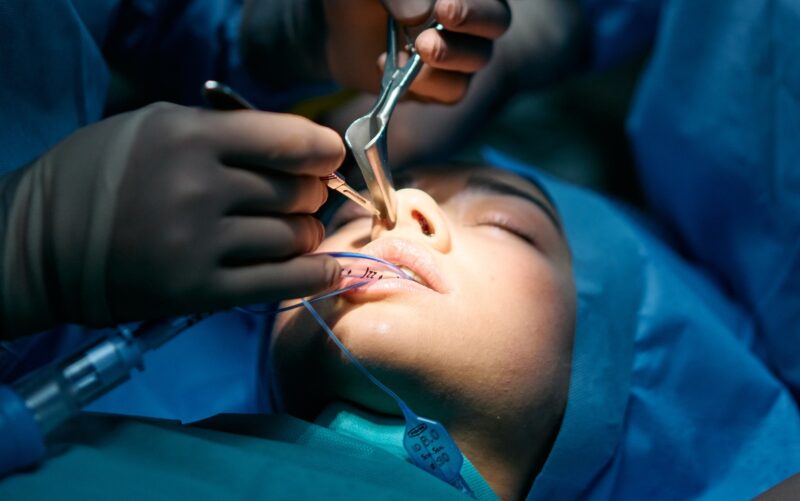
Septoplasty is the procedure that corrects a deviated septum. During septoplasty, your surgeon will try to straighten out the off-centered cartilage and bone in your septum. Sometimes, this requires removing portions of your cartilage or bone to make it appear straighter. After your cartilage and bone are reshaped, the surgeon will replace your nasal lining.
While this is an invasive surgery, you do not need to worry about any visible scarring or cuts. The surgeon will make cuts inside your nose so they will not need to cut your face. More likely than not, you’ll be put under and given anesthesia during the procedure.
Potential risks of a deviated septum surgery
While septoplasty is a very common and safe procedure, every surgery has its risks. You may experience heavy bleeding, an infection, or facial bruising after the procedure. In some cases, a hole may form in the septum after septoplasty. This is called a perforation of your septum.
If you’re uneasy over the potential risks of septoplasty, be open to conversation with your surgeon. Chances are they want you to be as comfortable as you can be before and after the procedure and would rather you state your worries beforehand. Note that the risks are not very common and the benefits of septoplasty can be truly life-changing.
After-care
As your nose begins to heal, here are a few things you should avoid:
- Blowing your nose: Do not blow your nose while it is still fragile and healing.
- Crowds: Crowds are uncontrolled environments and you never know when you’re going to bump into another person. Additionally, your exposure to cigarette smoke and illnesses increase when you’re in a crowd.
- Avoid heavy lifting: This can lead to uncomfortable nasal pressure and increases your chances of accidentally bumping your nose.
- Do not sleep on your nose/stomach: Increases your chance of bothering the affected area.
- Do not rush back to work: Take your time before heading back to work. Allow your body enough time to heal before resuming your daily activities and responsibilities.
Frequently Asked Questions
A deviated septum occurs when the wall dividing your nose into two nasal passages is off-center, causing one nasal passage to be smaller or larger than the other. This can lead to breathing difficulties, frequent nosebleeds, and facial pain.
Common symptoms of a deviated septum include difficulty breathing through one or both nostrils, frequent nosebleeds, facial pain, and worsening sinus problems such as sinusitis. If you experience these symptoms, you may want to consult a specialist.
Septoplasty is a surgical procedure to correct a deviated septum by straightening the cartilage and bone inside the nose. The surgeon may remove portions of cartilage or bone and then replace the nasal lining. The surgery is performed through cuts inside the nose, so there are no visible scars, and is usually done under anesthesia.
While septoplasty is generally safe, potential risks include heavy bleeding, infection, facial bruising, and in rare cases, a perforation or hole in the septum. Discussing any concerns with your surgeon beforehand can help you feel more comfortable about the procedure.
Post-surgery care includes avoiding blowing your nose, staying away from crowds to reduce infection risk, avoiding heavy lifting to prevent nasal pressure, not sleeping on your nose or stomach, and taking sufficient time off work to allow proper healing.
Yes, a deviated septum can worsen sinus drainage and lead to sinusitis, which is inflammation of the sinus lining. This creates an environment conducive to bacterial growth, increasing the risk of sinus infections if left untreated.
No, septoplasty involves making incisions inside the nose, so there are no external cuts or visible scars after the surgery. This internal approach helps maintain the nose's external appearance while correcting the septum.