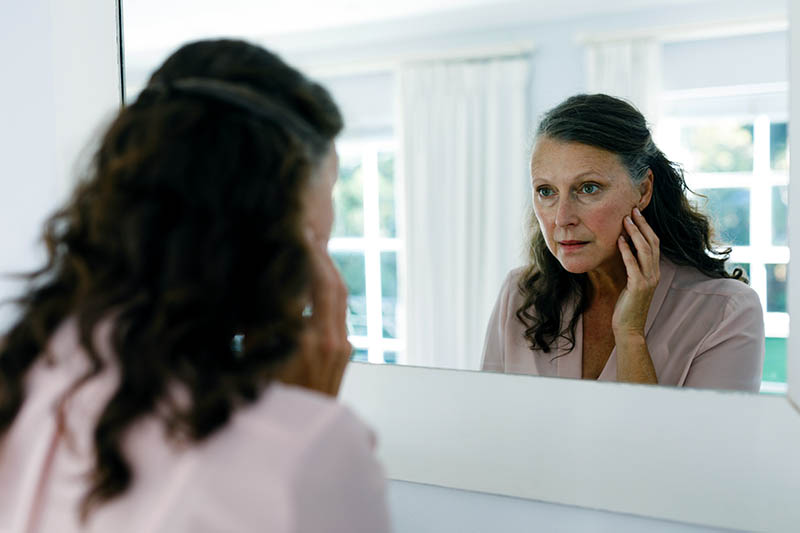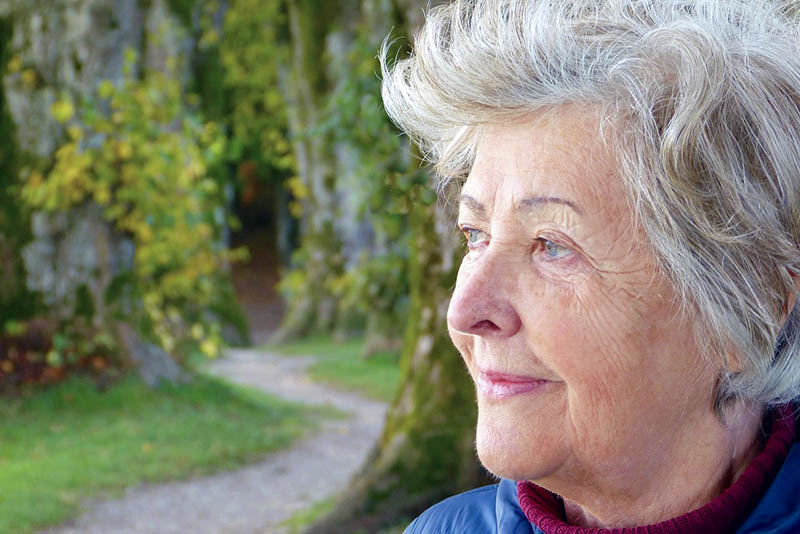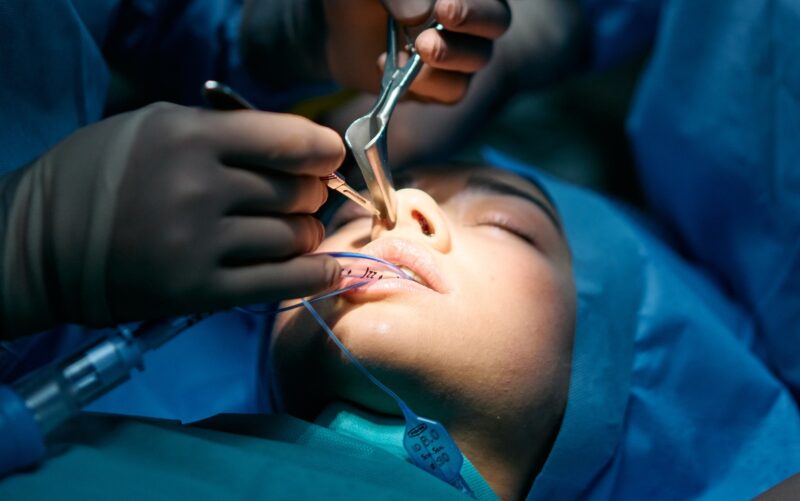

Aging can really take a toll on our bodies, especially our skin and face. If you want to restore fullness in your face and fill in your fine lines and wrinkles, fat grafting may be the perfect procedure for you. Here’s how to undergo facial rejuvenation with fat grafting.
What Is Fat Grafting
Fat grafting, also known as a fat transfer, takes fat from other parts of your body to replace the lost fat and volume in your face. Some times people use fat transfers for other procedures too, like breast augmentations. Typically, the fat is taken from the patient’s thigh through liposculpture and injected into different areas of the face (or breast). You may consider a facial fat transfer if you notice you have:
- Sunken cheeks
- Fine lines between eyelids and cheek
- Deflating cheekbones
- Worry lines
- Smile lines
A lot of patients find fat grafting desirable because it is more familiar than an implant. Your body is less likely to reject a fat transfer since it has already been a part of your body. Unlike injections, a significant portion of the fat transfer may remain in your face, lessening the need for recurrent injections. Since the fat injection is part of your body, the results are often natural and authentic looking.
Who Should Get It?
Wondering if you’re a good candidate for fat grafting? This kind of procedure is best for men and women over the age of 40 whos bodies have shown visible signs of aging. If you’re interested in a fat transfer you must be in generally good health and can not be pregnant or breastfeeding. If you take blood thinners or are a heavy smoker, it is advised you reconsider this kind of procedure. You also must have a suitable donor region to extract the excess fat from.
Fat grafting is a relatively simple and efficient way to increase your confidence and revive your facial features. If you’re over the age of 40 and are uncomfortable with the scars of aging, you may want to consider a fat transfer.
Frequently Asked Questions
Fat grafting, also known as fat transfer, involves taking fat from one part of your body, typically the thigh, and injecting it into areas of the face that have lost volume due to aging. This procedure helps restore fullness, smooth out fine lines, and improve facial contours by using your own body fat, resulting in natural-looking and long-lasting results.
Ideal candidates for facial fat grafting are men and women over the age of 40 who show visible signs of aging such as sunken cheeks, fine lines, and deflating cheekbones. Candidates should be in good general health, not pregnant or breastfeeding, and have a suitable donor site for fat extraction. Those on blood thinners or heavy smokers are usually advised against this procedure.
Fat grafting offers several benefits including a lower risk of rejection since the fat is from your own body, more natural and authentic-looking results, and longer-lasting effects compared to temporary injections. It also avoids the use of synthetic implants, making it a familiar and safer option for many patients.
Fat grafting can be used to treat various areas of the face including sunken cheeks, fine lines between the eyelids and cheeks, deflating cheekbones, worry lines, and smile lines. By restoring volume in these areas, the procedure helps rejuvenate the overall facial appearance.
Before undergoing fat grafting, you should be in generally good health and not pregnant or breastfeeding. Patients taking blood thinners or who are heavy smokers are usually advised to reconsider the procedure due to increased risks. Additionally, having a suitable donor site with enough excess fat is necessary for the procedure to be successful.
The results of facial fat grafting can be long-lasting because a significant portion of the transferred fat survives and integrates into the facial tissues. Unlike temporary fillers, fat grafting may reduce the need for frequent touch-ups, providing a more permanent solution to facial volume loss and wrinkles.