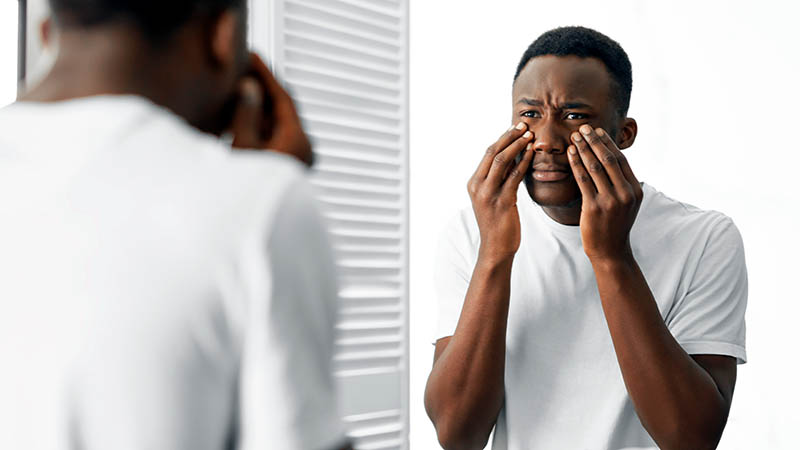

If you’ve taken a hard blow to the face, you may have broken nose cartilage. It’s actually pretty easy and common to break your nose during a facial injury since your nose sticks out from the rest of your face. Here’s what to do if you have broken nose cartilage.
Reasons For A Broken Nose
There are many possible reasons for broken nose cartilage. You may have had a physical altercation or a really bad fall. It’s also common to break your nose while playing a contact sport or after a motor vehicle accident. If you suspect your nose is broken and the pain persists after the swelling has gone down, you should make an appointment to visit a doctor.
Risks Of Breaking Your Nose
Aside from the pain and bruising, a broken nose can bring on further complications.
Deviated Septum: A broken nose may cause a deviated septum. A deviated septum occurs when the thin lining between your nostrils becomes displaced which can make it harder to breathe. Surgery is needed in order to fix a deviated septum.
Blood Clots: When you break your nose, blood cots known as septal hematoma can form and block one or both of your nostrils. Surgery is needed to drain out the blood.
Fracture: A broken nose can lead to a cartilage fracture. This tends to happen when the broken nose is the result of a hard blow or contact.
How To Tell If Your Nose Is Broken
You may have broken your nose cartilage if you experience the following:
- It is painful to touch your nose
- Your nose is swollen or crooked
- You have trouble breathing through your nose
- Your nose makes a cracking sound when you touch it
- You have bruises beneath or around your eyes
- Your nose is runny and/or bleeding
How To Treat Broken Nose Cartilage
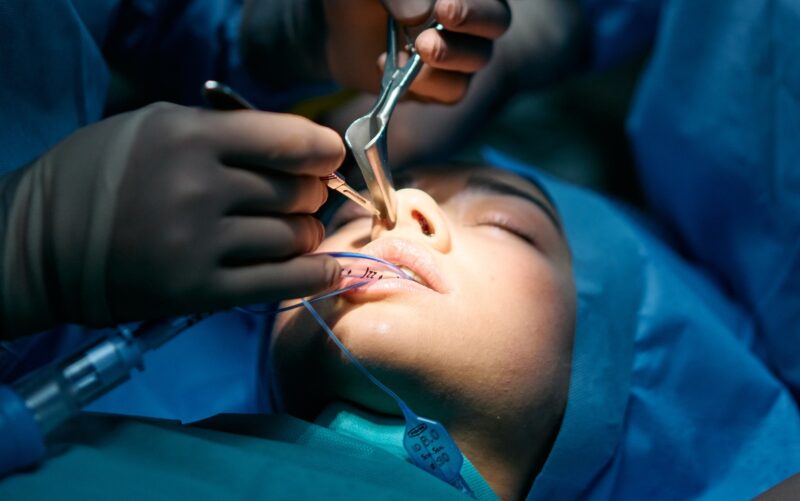
A broken nose may be treated with either rhinoplasty or septorhinoplasty. Rhinoplasty surgery realigns your nose while septorhinoplasty repairs your nasal septum. These surgeries are usually done a few days after the injury to allow time for swelling to subside. Surgery should be done within two weeks of the injury, but sooner is better. You may also opt for a non-invasive closed reduction surgery where the doctor manually realigns your nose.
Frequently Asked Questions
Broken nose cartilage commonly occurs due to facial injuries such as physical altercations, falls, contact sports, or motor vehicle accidents. Since the nose protrudes from the face, it is particularly vulnerable to impact.
Symptoms of broken nose cartilage include pain when touching the nose, swelling or crooked appearance, difficulty breathing through the nose, cracking sounds upon touch, bruising around the eyes, and nosebleeds or runny nose.
Complications from a broken nose include a deviated septum, which can obstruct breathing and may require surgery; septal hematoma, or blood clots that block the nostrils and need surgical drainage; and cartilage fractures caused by hard impacts.
Treatment options for broken nose cartilage include rhinoplasty to realign the nose, septorhinoplasty to repair the nasal septum, and closed reduction surgery where the doctor manually realigns the nose. Surgery is typically performed within two weeks after swelling subsides.
If you suspect your nose is broken and experience persistent pain after swelling decreases, difficulty breathing, or visible deformity, you should make an appointment with a doctor promptly to evaluate and treat the injury.
A deviated septum occurs when the thin wall between the nostrils is displaced, often due to a broken nose. This displacement can cause breathing difficulties and usually requires surgical correction to fix.