TMJ, or Temporomandibular Joint Dysfunction, causes pain and discomfort in more than 3 million Americans every year. While there are exercises you can do to relieve jaw pain, you may opt to try botox for TMJ.
What Is TMJ
The temporomandibular joint connects your jawbone to your skull and allows you to do things such as talk and chew. Those with TMJ experience jaw pain, jaw clicking/popping, lockjaw, and discomfort while eating. TMJ may come and go throughout your lifetime, but others may not be able to get rid of the pain completely, only control it.
TMJ may be caused by jaw or teeth misalignment, teeth grinding, poor posture, stress/anxiety, excessive gum chewing or arthritis. Beyond jaw pain and discomfort, TMJ causes neck tension, headaches, and earaches.
Botox For TMJ Treatment
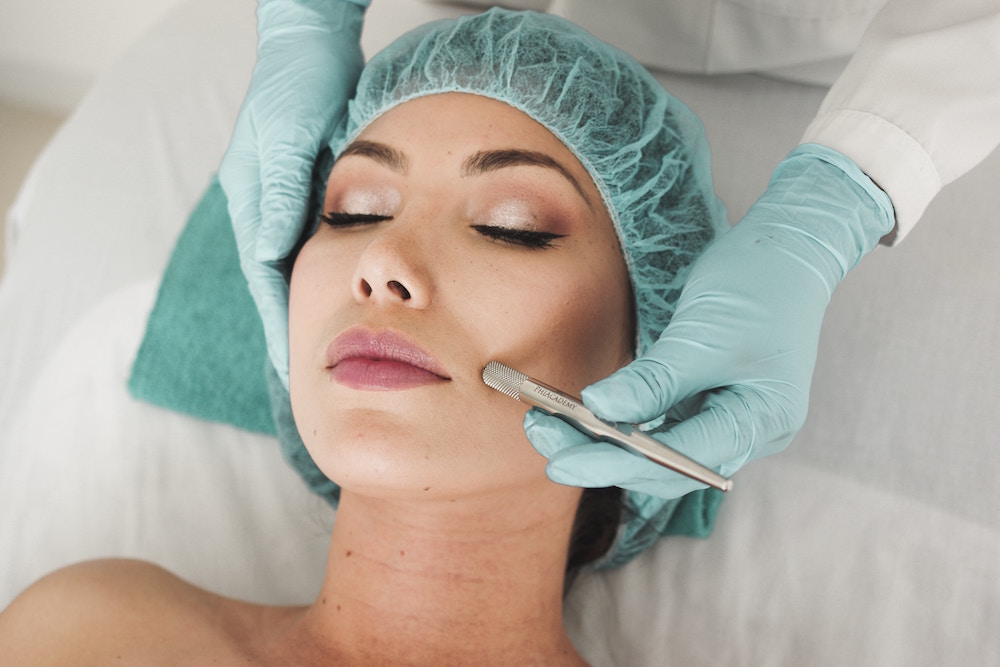
Botox is a nonsurgical treatment that is fairly quick and easy. The injections usually take around 10-30 minutes and provide immediate relief. Depending on your symptoms and the severity of your TMJ, your doctor will most likely inject your forehead, temple, and jaw muscles.
So, how does it work? Botox temporarily weakens your jaw muscles and restrain hyperactivity. For those who habitually clench their jaw without realizing it, botox paralyzes the muscle so it is unable to clench naturally.
Risks
One thing to remember is that botox is not permanent. Botox wears off after a few months, so you may need continual treatment if you experience increased jaw pain down the line. It’s also important to note Botox is not FDA approved and is rarely covered by insurance, so your out of pocket cost may be high. Some recommend using botox for TMJ as a last resort after you’ve tried the home remedies, mouth guards and message exercises.
The most common side effects of botox include bruising, redness, nausea, and headaches.
Frequently Asked Questions
TMJ, or Temporomandibular Joint Dysfunction, affects the joint connecting your jawbone to your skull. It causes symptoms such as jaw pain, clicking or popping sounds, lockjaw, and discomfort while eating. Additionally, TMJ can lead to neck tension, headaches, and earaches.
TMJ can be caused by factors such as jaw or teeth misalignment, teeth grinding, poor posture, stress or anxiety, excessive gum chewing, and arthritis. These factors contribute to the dysfunction and pain associated with the temporomandibular joint.
Botox helps treat TMJ by temporarily weakening the jaw muscles to reduce hyperactivity and clenching. The injections, typically administered in the forehead, temple, and jaw muscles, provide immediate relief by paralyzing muscles that cause pain and discomfort.
The Botox treatment for TMJ is a nonsurgical procedure that usually takes between 10 to 30 minutes. Injections are given in targeted areas such as the forehead, temples, and jaw muscles to relieve symptoms quickly and effectively.
Yes, Botox for TMJ can cause side effects such as bruising, redness, nausea, and headaches. Additionally, Botox is not a permanent solution and its effects wear off after a few months, requiring repeated treatments. It is also not FDA approved for TMJ and is rarely covered by insurance, which may result in high out-of-pocket costs.
No, Botox is not a permanent cure for TMJ. Its effects typically last only a few months, so ongoing treatments may be necessary to manage symptoms. It is often recommended as a last resort after trying other remedies like home exercises and mouth guards.
Botox should be considered for TMJ treatment after other non-invasive options such as home remedies, mouth guards, and massage exercises have been tried without sufficient relief. It is generally viewed as a last resort due to its temporary effects and cost considerations.