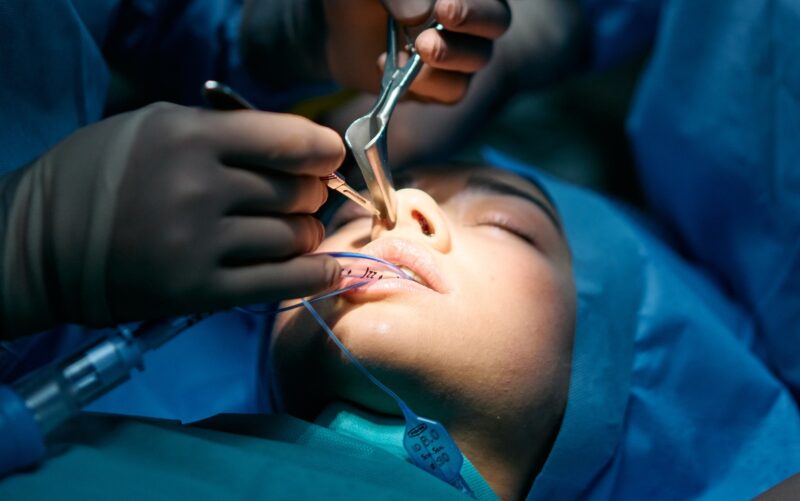

Although they are both nose procedures, rhinoplasty and septoplasty are two different surgeries that address separate needs. Here, we will compare the two to examine what each procedure entails and which is best for your goals.
Rhinoplasty vs. Septoplasty
A rhinoplasty, or a nose job, is one of the most common cosmetic surgeries available. The procedure is more cosmetic if the two performed to address nasal asymmetry and improve proportions of the nose for a more balanced facial appearance. People often choose rhinoplasty for the following reasons:
- Enhance facial symmetry
- Correct a birth defect or sinus issue
- Improve breathing.
Patients who choose a rhinoplasty procedure frequently display one or more of the following characteristics:
- Nasal bridge is too low or too high
- Nostrils are too wide a flaring
- Nose is crooked, long, or upturned
- Hump on nose
- Nose is too wide or narrow
Meanwhile, a septoplasty is more of a corrective surgery that is performed to correct a deviated septum. The septum is the bone and cartilage that divides the nostrils. When the septum has deviated, it blocks one side of the nose, thus cutting off airflow and making it more difficult to breathe. A deviated septum can also cause nasal dryness, which leads to crusting and even bleeding.
During this procedure, the surgeon repositions and straighten the septum. They may also trim or replace nasal cartilage or bone.
Which is Right for You?
After reading the above information, you likely have a better idea of the procedure that best meets your needs. Generally, a rhinoplasty procedure is best suited for patients looking to improve their appearance, while a septoplasty is focused on correcting a deviated septum.
That being said, you can take any remaining guesswork out of the decision by booking a consultation with a skilled facial plastic surgeon. Dr. Horn helps patients devise the right plan to achieve their desired results.
Frequently Asked Questions
Rhinoplasty is primarily a cosmetic surgery aimed at improving the appearance of the nose by addressing issues like nasal asymmetry, size, and shape. Septoplasty, on the other hand, is a corrective surgery focused on straightening a deviated septum to improve breathing and nasal function.
Rhinoplasty can enhance facial symmetry, correct birth defects or sinus issues, and improve breathing. It is often chosen to fix a nasal bridge that is too low or high, wide or flaring nostrils, crooked or upturned nose, nasal humps, or noses that are too wide or narrow.
Septoplasty is recommended for patients with a deviated septum that blocks airflow in one nostril, causing difficulty breathing. It can also help with nasal dryness, crusting, and bleeding caused by the deviated septum.
During septoplasty, the surgeon repositions and straightens the septum, which may involve trimming or replacing nasal cartilage or bone to restore proper airflow through the nostrils.
Yes, while rhinoplasty is mainly cosmetic, it can also correct certain structural issues that improve breathing, such as fixing nasal asymmetry or birth defects that affect nasal function.
Ideal candidates for rhinoplasty are those seeking to enhance the appearance of their nose, while septoplasty candidates are those experiencing breathing difficulties due to a deviated septum. A consultation with a facial plastic surgeon can help determine the best procedure.
Yes, many patients undergo both procedures simultaneously to improve both the appearance and function of their nose. Combining the surgeries can address cosmetic concerns and correct breathing problems in one operation.