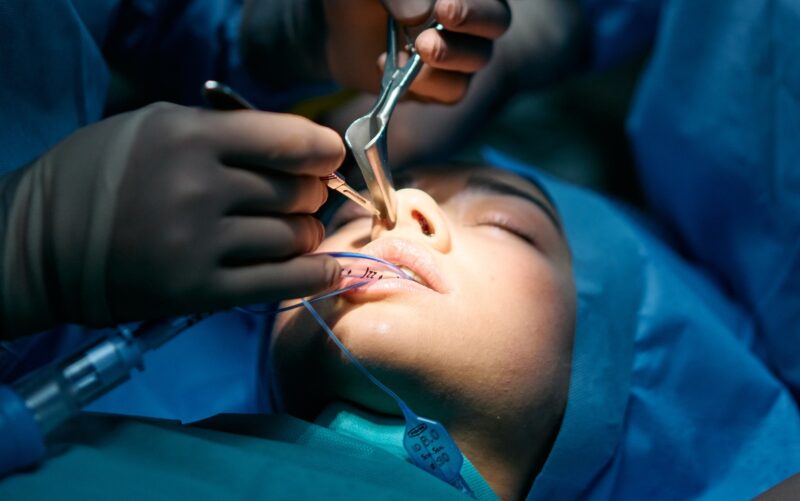

Rhinoplasty is one of the most popular plastic surgeries available. Technically speaking, it is also one of the most challenging. Revision rhinoplasty can be even more difficult due to the presence of scar tissue and other intricacies to the procedure.
Although no one undergoes rhinoplasty with the expectation of needing revision procedure, dissatisfaction with results is a reality for a number of rhinoplasty patients, be it the cosmetic appearance of development of breathing difficulties. Even well-executed procedures can have issues arise during the healing process such as unusual healing, irregular scarring, and cartilage warping. When considering a revision rhinoplasty, here’s what you need to know before booking an appointment:
It must be at least a year since your first rhinoplasty.
Generally, it is necessary for at least one year to pass prior to getting revision rhinoplasty to allow all swelling to go down from the first procedure. A minor issue could quickly turn into a major problem if a revision is done too soon, so it is crucial to be patient. The being said, exceptions can be made in emergency situations where the repairs must be done sooner.
Choose a qualified surgeon who specializes in this procedure.
When choosing a surgeon, be sure to check that they are not only board-certified but also specialized in revision rhinoplasty. Because revision rhinoplasty can be challenging to perform, choosing a specialist in the procedure can help ensure it will be done to your satisfaction. Request to see a portfolio of their previous work with before and after photos of their other patients.
Make sure your goals are realistic.
Expectations are important, especially that they are realistic with what you’re looking to achieve with revision rhinoplasty. Make sure you and your surgeon communicate openly about what is possible functionally and cosmetically and what you can anticipate after the surgery. Limitations can play a role in revision rhinoplasties such as aesthetic goals, the thickness of your skin, surrounding facial features, and the extent of the previous surgery. Because revision surgery can be an intense process, work with your chosen surgeon to determine the best course of action to get the results you want.
Frequently Asked Questions
Revision rhinoplasty is a secondary surgery performed to correct or improve the results of a previous rhinoplasty. It is more challenging due to the presence of scar tissue, changes in nasal structure, and complexities from the initial surgery, which can make the procedure technically demanding.
It is generally recommended to wait at least one year after your initial rhinoplasty before undergoing revision surgery. This waiting period allows all swelling to subside and ensures that the final results of the first procedure are fully apparent. Exceptions may be made in emergency situations requiring earlier intervention.
Choosing a surgeon who is board-certified and specializes in revision rhinoplasty is crucial because the procedure is complex and requires advanced skills. A specialist will have experience managing the unique challenges of revision cases and can provide better outcomes. Reviewing their portfolio of before and after photos can help assess their expertise.
Realistic goals depend on several factors including the extent of the previous surgery, skin thickness, surrounding facial features, and functional considerations. Open communication with your surgeon is essential to understand what can be achieved cosmetically and functionally, as limitations may influence the final results.
Yes, revision rhinoplasty can be performed to improve cosmetic appearance as well as to correct breathing difficulties that may have developed after the initial surgery. Your surgeon will evaluate both aesthetic and functional aspects to tailor the procedure to your needs.
Complications such as unusual healing patterns, irregular scarring, and cartilage warping can occur during the healing process after rhinoplasty. These issues may affect the appearance or function of the nose and could necessitate a revision procedure to correct them.