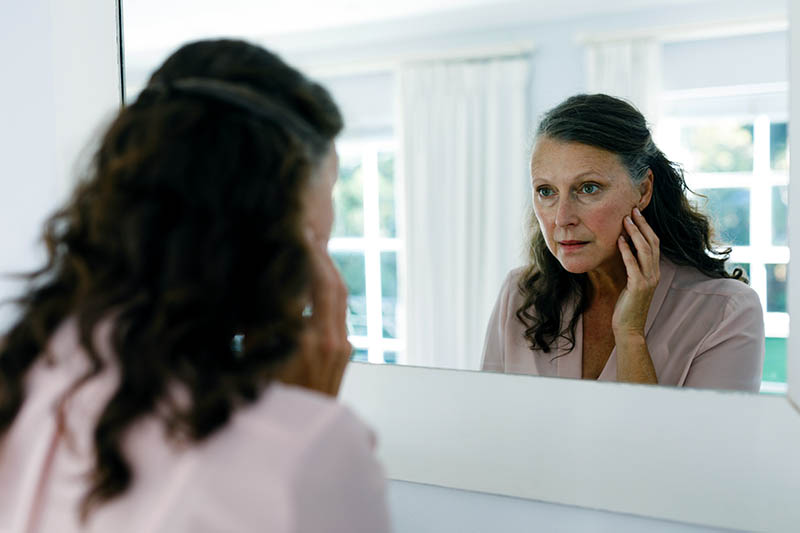

People unfamiliar with Botox may have gotten wrong information on the cosmetic treatment based on frequently circulated myths. For this reason, we have provided the top Botox myths, debunked.
Myth: Botox can be injected anywhere on the face.
Botox has a very specific purpose when it comes to facial aesthetics. It mainly targets lines and wrinkles between the eyebrows, crow’s feet, and forehead. It is not the right pick for patients looking for fuller lips or mid-face volume. In those cases, dermal filler serves as the best choice.
Myth: The results of Botox are immediate.
Usually, the effects of Botox treatment begin to show in 3-5 days. Then it takes 7-10 days in order for Botox to fully go into effect and show the final result.
Myth: It is impossible to build immunity to Botox.
Regular patients who receive Botox may begin to build immunity to its effects. The human body can form antibodies that block Botox from working. The can be prevented by lengthening intervals between treatments, or Xeomin may also be a helpful alternative.
Myth: Botox is best used as reversing the signs of aging.
The work of prevention is always more effective than reversal. People are learning more and more how effective Botox can be as a preventative treatment to lines and wrinkles. When lines have already formed, it is much more difficult to smooth the skin’s appearance again.
Myth: Ending Botox treatments will worsen your wrinkles.
The wrinkles will not get worse, they will simply go back to the way they looked prior to the Botox treatments. Botox requires upkeep in order to maintain the results patients desire.
Myth: Botox is simply a treatment for wrinkles.
In actuality, Botox is not simply cosmetic. In fact, Botox injections can also be used to treat migraines by creating less strain on a patient’s nervous system and reducing their muscle tension. In addition, Botox can also temporarily stop excessive sweating by blocking sweat glands, and it has even helped patients suffering from depression.
Myth: Botox cannot smooth deep forehead lines.
Botox can, in fact, reduce the visibility of heavy wrinkles on the forehead. That being said, the muscle in the area is dense, so it may take more than one treatment to see full desired results.
Frequently Asked Questions
Botox is designed to target specific areas such as lines and wrinkles between the eyebrows, crow’s feet, and the forehead. It is not suitable for enhancing lip fullness or adding mid-face volume, where dermal fillers are a better option.
The effects of Botox typically begin to appear within 3-5 days after treatment. It usually takes 7-10 days for the Botox to fully take effect and show the final results.
Yes, some patients may develop antibodies that reduce Botox's effectiveness over time. This can be managed by increasing the time between treatments or switching to alternatives like Xeomin.
Botox is more effective when used preventatively to stop lines and wrinkles from forming. Reversing existing wrinkles is more challenging, making early treatment preferable.
No, discontinuing Botox will not worsen wrinkles; your skin will simply return to its pre-treatment state. Maintaining results requires ongoing treatments.
Botox has several medical uses beyond cosmetic treatments. It can help reduce migraines by easing muscle tension, control excessive sweating by blocking sweat glands, and has even been used to assist patients with depression.
Botox can reduce the appearance of deep forehead wrinkles, but because the muscles in this area are dense, multiple treatments may be necessary to achieve the desired results.