Sometimes life happens and injuries occur. Nasal trauma can happen to anyone, but understanding the injury and treatment options will make it more likely for a full recovery.
First, it is important to understand what nasal trauma is.
Nasal trauma is an injury of the nose or areas that support it. Both external and internal injuries can cause nasal trauma. The location and projection of the nose on one’s face makes it especially susceptible to external injury.
Nasal trauma has a range of causes.
External nasal trauma occurs when excessive force is applied on your nose.
Common incidents that cause external nasal trauma include:
- Falls
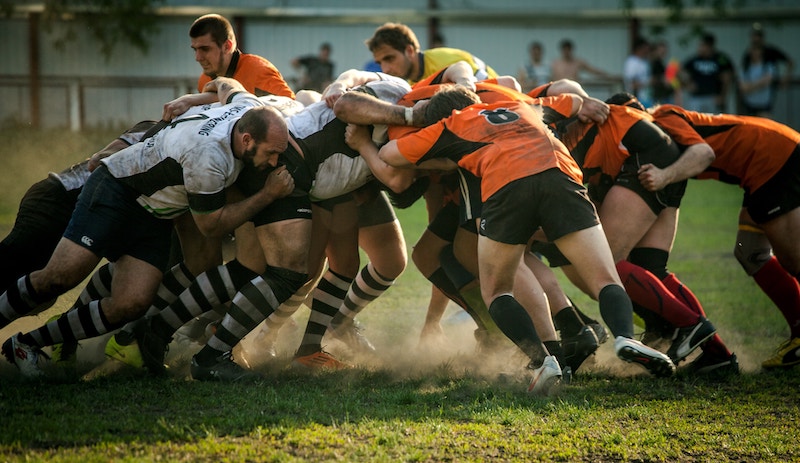
- Sports injuries
- Physical assault
- Vehicle accidents
- Meanwhile, internal nasal trauma happens when there is damage to the cartilage or blood vessels inside the nose.
Potential causes for internal nasal trauma include:
- Infections from a nose piercing
- Inhaling substances that cause irritation
- Snorting cocaine and other illegal drugs
- Scratching or picking inside your nose
- Foreign objects getting lodged in your nose
Next, know the symptoms.
Ranging from mild to severe, nasal trauma symptoms depend on type and extent of the injury.
A common symptom of nasal trauma is nosebleeds because the nose contains many blood vessels near its surface. However, other symptoms can arise as well.
For example, other symptoms of nasal trauma can include:
- Pain in the nose or around the nose
- Clear fluid dripping from the nose
- Bruising around the eyes
- Facial swelling, particularly around the nose
- Difficulty breathing through the nose
- Distorted shape of the nose
- No sense of smell
Review treatment options.
Often, you can treat minor cases yourself using basic first aid and at-home remedies. However, it is also your safest option to consult a doctor on how to move forward with treatment. In the case of necessary medical attention, your doctor will suggest a treatment plan based on your specific injury, condition, and symptoms.
Medical recommendations may include:
- Packing: Although most nosebleeds can be treated at home, a nosebleed that lasts longer than 20 minutes or recurs frequently should be met with medical attention. Diagnosing the cause may require blood tests, imaging of the nose, and professional treatment. Packing is when your doctor places gauze or an inflatable balloon inside one or both nostrils to exert pressure on the broken blood vessels in order to stop the bleeding.
- Cauterization: In other nosebleed cases, your doctor may use cauterization to stop the bleeding. During this procedure, the doctor applies either some topical medication to the broken blood vessels, or they use a heating device to seal the blood vessels closed.
- Medications: Over-the-counter or prescription medications can help certain types of nasal trauma Doctors may recommend painkillers for discomfort, antibiotics for infections, and nasal sprays that reduce irritation.
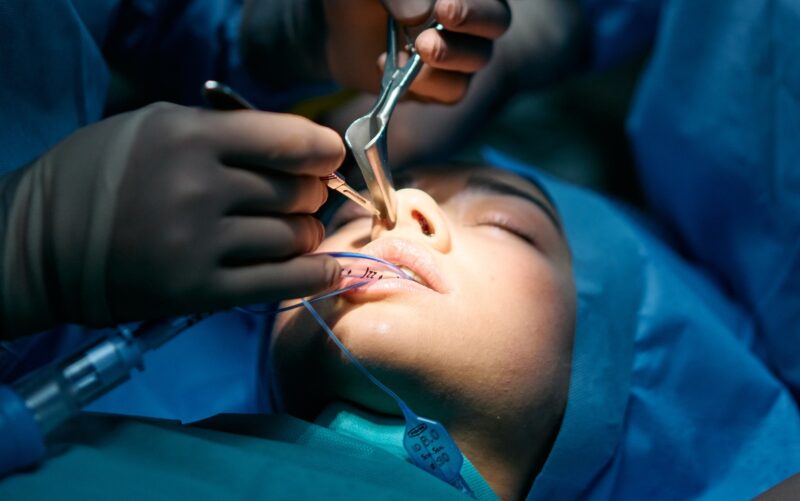
- Surgery: Severe nasal fractures may need surgery to repair the condition. Complicated fractures may require nasal reconstructive surgery to move crooked or broken bone or cartilage back into place. Treating the injury within 1-2 weeks of the injury make it possible to repair your nose immediately. That being said, waiting longer can result in several months before your nose can be surgically repaired.
Frequently Asked Questions
Nasal trauma refers to injuries to the nose or its supporting structures, which can be external or internal. External nasal trauma is often caused by falls, sports injuries, physical assaults, or vehicle accidents, while internal trauma can result from infections, irritation from inhaled substances, drug use, nose picking, or foreign objects lodged in the nose.
Symptoms of nasal trauma vary depending on the severity and type of injury but commonly include nosebleeds, pain around the nose, clear fluid drainage, bruising around the eyes, facial swelling, difficulty breathing through the nose, a distorted nasal shape, and loss of smell.
Minor nasal trauma can often be managed with basic first aid such as applying ice to reduce swelling, keeping the head elevated, and avoiding activities that could worsen the injury. However, it is important to consult a doctor to ensure proper care and to rule out more serious damage.
If a nosebleed lasts longer than 20 minutes, recurs frequently, or is accompanied by other symptoms like severe pain or difficulty breathing, you should seek medical attention. A doctor may perform tests and treatments such as packing or cauterization to stop the bleeding and address underlying causes.
Medical treatments for nasal trauma include packing the nostrils to stop bleeding, cauterization to seal broken blood vessels, medications like painkillers or antibiotics, and in severe cases, surgery to repair fractures or reconstruct the nose. Treatment depends on the injury's severity and timing.
Treating nasal fractures within 1-2 weeks of injury allows for immediate repair, which can prevent complications and reduce recovery time. Delaying treatment may require waiting several months before surgical repair is possible, potentially leading to prolonged discomfort and cosmetic issues.
Yes, internal nasal trauma can result from scratching or picking inside the nose, as well as from foreign objects becoming lodged inside. These actions can damage the delicate cartilage and blood vessels, leading to bleeding, infection, or other complications.