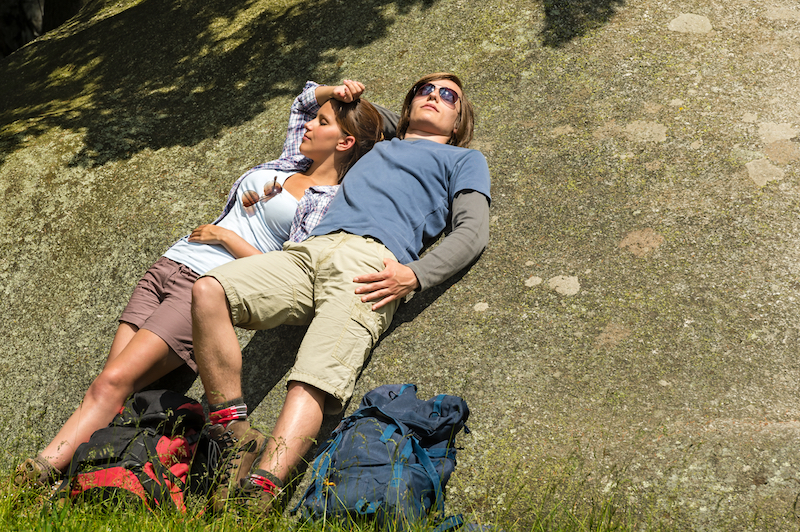
Summer is here, and it’s full of vacations, trips to the beach, backyard get togethers, and other outdoor activities. It’s time to have fun and let loose! Before you head out under the hot sun, it is important to know about photoaging and the permanent damage it can cause to your skin.
Photoaging
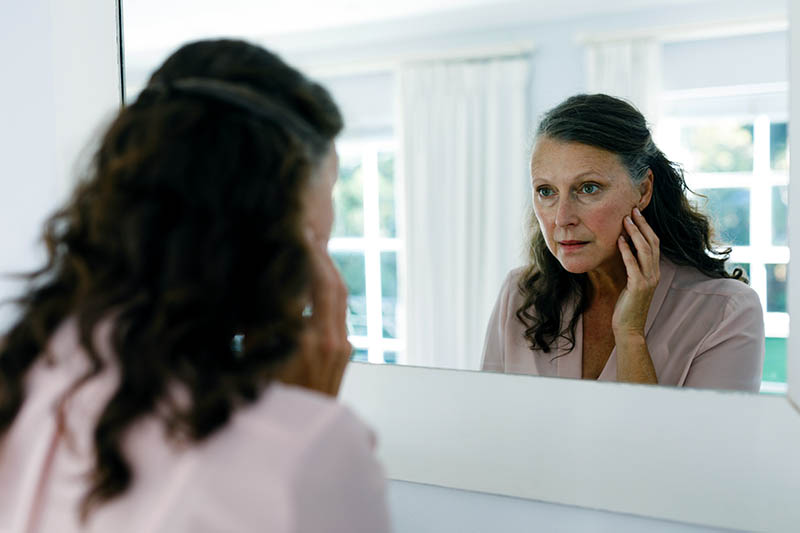
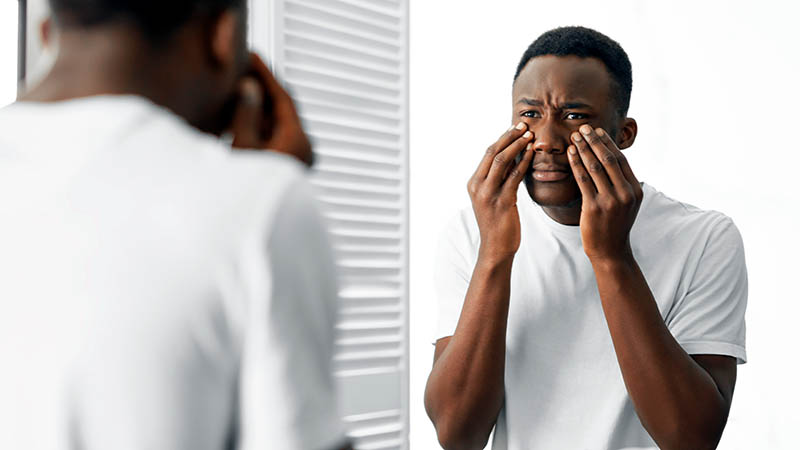
As people age, the skin will lose its youthful appearance. Wrinkles on the forehead, fine lines around the eyes and lips, and age spots form on the hands. Most of this is natural and inevitable, but so many visible signs of aging are a direct result of sun exposure.
Your skin has three layers: the epidermis, the dermis, and the subcutis. The epidermis is the outermost layer, the dermis is the middle layer, and the subcutis is the innermost layer.
Photoaging is the process of premature wrinkling of your skin and other damage caused from frequent exposure to the sun. In addition to wrinkles, photoaging leads to sunspots and loss of skin elasticity. Your skin will sag and wrinkle when the the dermis, undergoes decomposition. The dermis contains collagen, elastin, and other fibers to support skin’s structure. However, UVA rays from the sun have longer wavelengths that are able to penetrate the dermis, causing abnormal production of the collagen and elastin. This continuous process of enzymes causing damage to the skin’s collagen is how UVA rays result in wrinkled, sagging skin.
How to Prevent Photoaging
The best way to fight against photoaging is with prevention. Here are simple, but effective actions to take for firm and wrinkle-free skin. The best part? You can do these and still enjoy the summer sun.
- Always wear sunscreen/SPF: This may seem obvious, but this tip can never be over said! Covering your skin with at least SPF 20 every time you leave the house is unmatched in protection from sun exposure. Apply sunscreen generously over any exposed areas of skin, and especially your face.
- Use a hydrating face mask: When the face is dehydrated, it is much more vulnerable to wrinkling and sagging. After hanging out in the sun all day, a hydrating face mask will help restore most the water your skin lost.
- Drink Water: Your diet is a direct factor in your skin’s ability to protect itself. Water fuels all organs, including the largest organ your body has: your skin. Meanwhile, beverages like coffee and alcohol will naturally dehydrate you, so drink them in moderation.
- Moisturize: Hydrating your skin properly every day is provides a strong shield against UV damage. While drinking enough water is critically important, most of the water you drink may reach other organs before the skin, so be sure to apply hydration topically as well with a good quality moisturizer.
Frequently Asked Questions
Photoaging is the premature aging of the skin caused by frequent exposure to the sun's ultraviolet (UVA) rays. It leads to wrinkles, sunspots, loss of skin elasticity, and sagging by damaging the collagen and elastin fibers in the dermis layer of the skin. This damage results in the breakdown of the skin's supportive structure, causing visible signs of aging.
UVA rays have longer wavelengths that penetrate deep into the dermis, the middle layer of the skin. They cause abnormal production and breakdown of collagen and elastin fibers, which are essential for maintaining skin's firmness and elasticity. This enzymatic damage leads to sagging and wrinkling of the skin over time.
To prevent photoaging, it is important to consistently apply sunscreen with at least SPF 20 on all exposed skin, use hydrating face masks to restore moisture after sun exposure, drink plenty of water to keep skin hydrated from within, and moisturize daily to protect the skin's surface. These steps help maintain skin elasticity and reduce premature aging.
Moisturizing helps maintain the skin's hydration barrier, which provides a strong shield against UV damage. While drinking water hydrates the body, topical moisturizers ensure that the skin itself retains moisture, making it less vulnerable to wrinkling and sagging caused by sun exposure.
Dehydrated skin is more prone to wrinkling and sagging because it loses its plumpness and elasticity. When the skin lacks moisture, it becomes weaker and less able to repair damage caused by sun exposure, accelerating the photoaging process.
Yes, you can enjoy outdoor activities safely by taking preventive measures such as applying sunscreen with at least SPF 20, staying hydrated by drinking water, using hydrating face masks after sun exposure, and moisturizing regularly. These practices help protect your skin from the harmful effects of UV rays while allowing you to have fun in the sun.