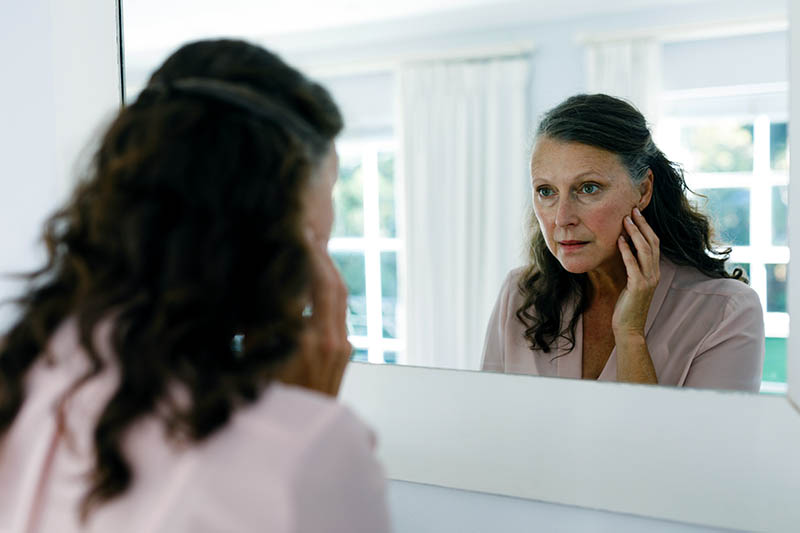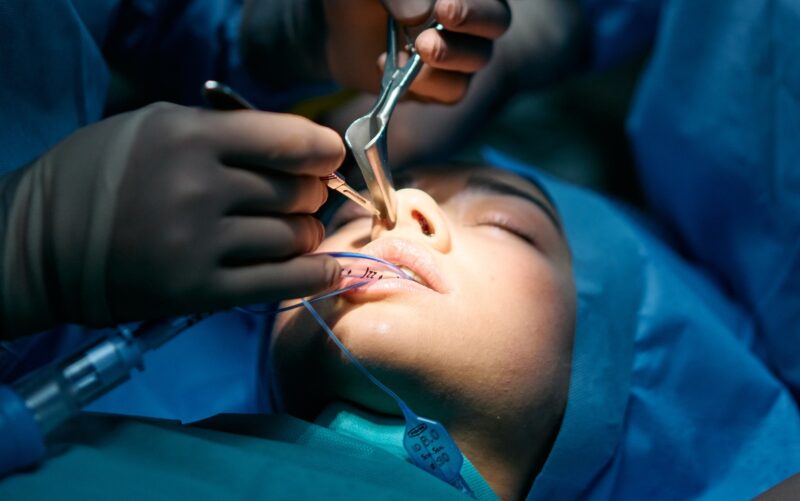

Although facelifts and facial fat transfers both help reduce the signs of aging, they are not interchangeable procedures. For this reason, it is important to know the necessary information so you can decide which procedure is the right one for you. You may have decided to take the surgical approach to rejuvenate your appearance, but now it is time to decide whether a facelift or fat transfer will give your desired results with little interruption to your everyday life.
Facelift
This procedure reverses some of the natural signs of aging, like wrinkles and sagging skin on the face and neck. Facelift surgery requires general anesthesia, as well as several weeks of recovery time before returning to your full level of activity. That being said, facelifts can dramatically enhance your appearance with results that age as naturally and gracefully as you do. Facelifts also require little maintenance other than a healthy lifestyle and routine skin care.
Other Benefits of Facelifts Include:
- Improve hollow areas, sagging skin, jowls, wrinkles, folds, furrows
- Tighten underlying tissues of the neck and face
- Removes excess skin
- Softens deep creases
- Restores the natural facial angles
- Provides a more youthful, rested appearance
- Refreshed, natural-looking face
- Long-lasting results
Facial Fat Transfer
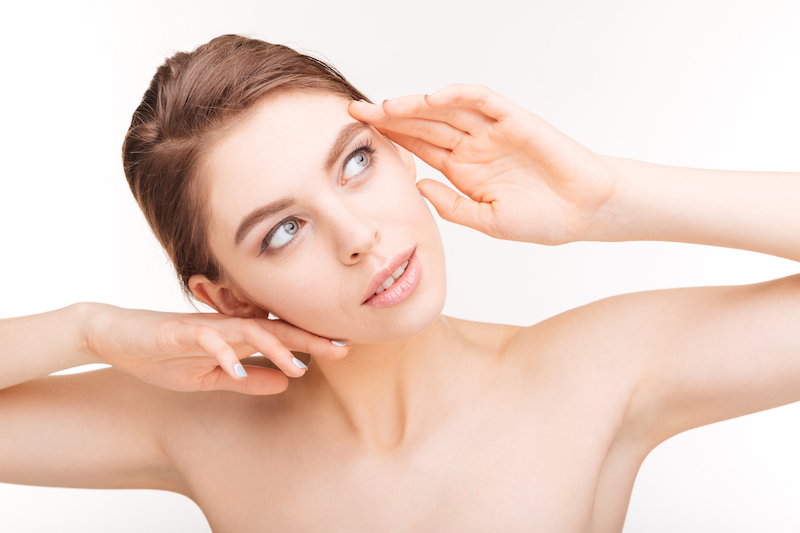
Meanwhile, facial fat transfer provides rejuvenation that plumps your facial features, lessens lines and wrinkles, and reverses the signs of aging. This procedure stands above other surgeries that involve facial fillers and injectables because unlike using a foreign substance to plump up the skin, this procedure uses fat transferred from your own body. Using liposuction, fat is removed where there are undesired fat deposits, such as abdomen, thighs or buttocks. The fat is then treated and injected into areas of the face in multiple small grafts. The plumping effect from the procedure significantly reduces facial lines and wrinkles, while being minimally invasive with only a few days of recovery time.
Other Benefits of Facial Grafting Include:
- Only uses your natural tissue
- Provides natural-looking results
- Long-lasting results
- Minimally invasive with shorter recovery time
- Reduces appearance of facial lines and wrinkles
- Fills in pitted acne scars
- Restores natural volume to the face
That being said, characteristics you possess can affect the results of the procedure.
The best candidates for procedure are:
- Non-smokers
- Men and women typically over the age of 40
- Not in the active stages of acne
- In generally good health
- Not pregnant or breastfeeding
- Not taking blood thinners
- At or near his or her ideal weight
- Has a suitable donor region
Not meeting all of these qualification will will not disqualify you as a candidate for the operation, but it can either increase or decrease the quality of the results you experience.
While both surgeries work toward the common goals of facial rejuvenation and restoration, they achieve different results. A facelift removes signs of sagging skin by smoothing and tightening. On the other hand, fat transfer improves volume loss in the face by filling in sunken areas and facial lines. With this information, you can move forward and choose the right approach for you. So now the question stands: facelift or fat transfer?
Frequently Asked Questions
A facelift primarily focuses on tightening sagging skin and underlying tissues to reduce wrinkles and restore facial contours, while a facial fat transfer adds volume by injecting your own fat into sunken areas to plump the face and smooth lines. Both procedures aim for facial rejuvenation but achieve different results.
Facelift surgery requires general anesthesia and typically involves several weeks of recovery before resuming full activities. In contrast, facial fat transfer is minimally invasive with only a few days of recovery time, making it a quicker option for those seeking facial rejuvenation.
Ideal candidates for facial fat transfer are generally healthy men and women over 40 who are non-smokers, not pregnant or breastfeeding, not in active acne stages, not taking blood thinners, near their ideal weight, and have suitable donor fat regions. Meeting all criteria is not mandatory but can affect results quality.
Facelifts improve hollow areas, sagging skin, jowls, wrinkles, and deep creases by tightening underlying tissues and removing excess skin. They restore natural facial angles, provide a youthful and rested appearance, and offer long-lasting, natural-looking results with minimal maintenance.
Facial fat transfer uses your own natural tissue instead of foreign substances, resulting in natural-looking, long-lasting results. It reduces facial lines and wrinkles, fills pitted acne scars, restores facial volume, and involves a minimally invasive procedure with shorter recovery time compared to traditional fillers.
While smoking and being away from ideal weight can affect the quality of results, they do not automatically disqualify a person from undergoing facial fat transfer. However, these factors may increase risks or reduce the effectiveness of the procedure, so it is important to discuss your specific situation with your surgeon.
Facelifts and facial fat transfers target different aging signs; facelifts address sagging skin and tighten tissues, while fat transfers restore lost volume and fill wrinkles. Sometimes, combining both procedures can provide a more comprehensive facial rejuvenation by smoothing skin and enhancing facial fullness.