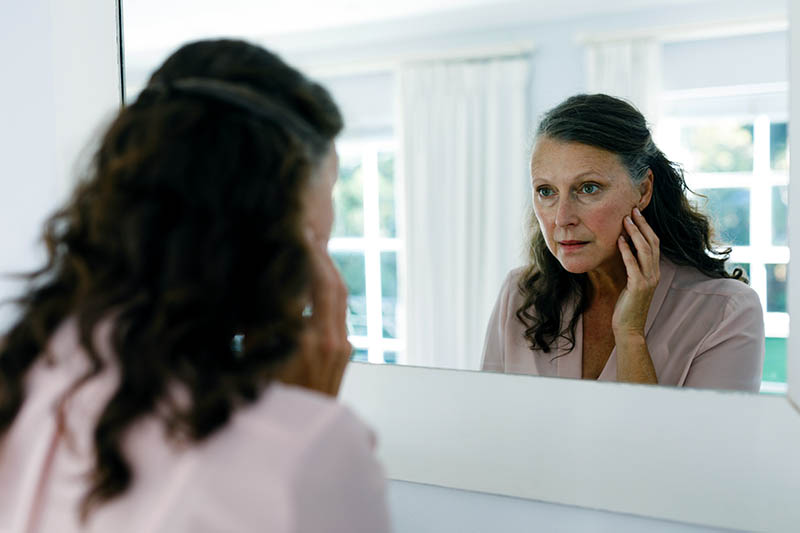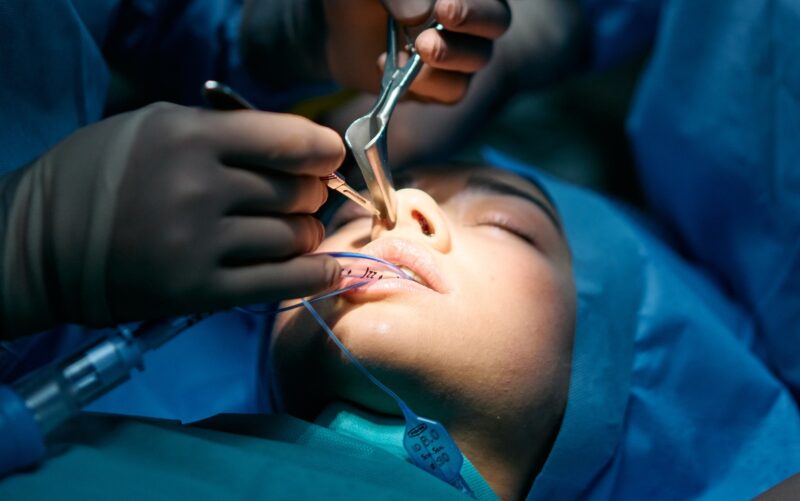
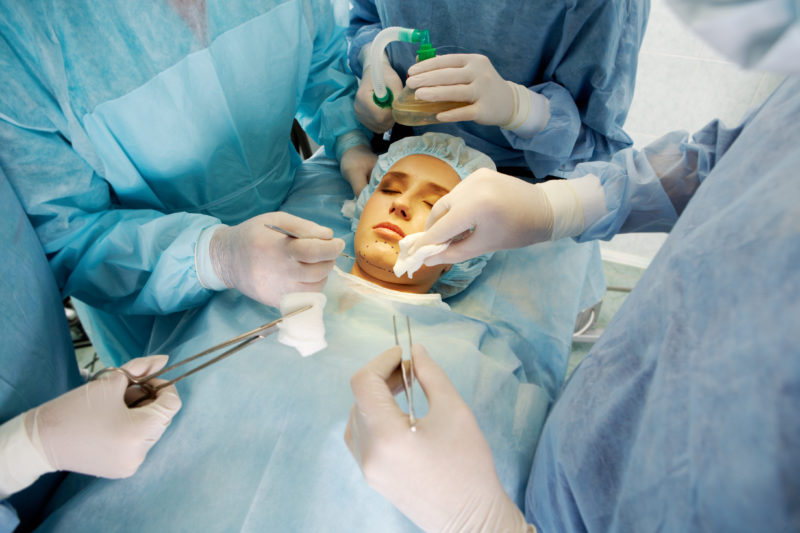
Whether you have opted to have a rhinoplasty for aesthetic or reconstructive reasons, your plastic surgery journey is not over once you leave your surgeon’s office. As with any procedure, caring for yourself pre and post-surgery is key to achieving optimal results. If you have recently had a rhinoplasty procedure, commonly known as a “nose job,” be sure to follow these top tips from expert plastic surgeons so you can maintain beautiful results.
Coordinate Post-Op Care Before Your Surgery
As with any procedure where general anesthesia is required, it’s important to coordinate post-op care before you go under the knife. Once you wake up from surgery, you may feel very groggy or disoriented. You should not drive or lift any heavy objects immediately after surgery, so make sure you have a friend or family member with you to help you get home after your rhinoplasty.
Rest Up Post-Surgery
After your rhinoplasty procedure, it’s important that you stay in bed with your head elevated above your chest to reduce bleeding and swelling. You’ll need to remain like this, with your internal dressings and possibly a nose splint for one to seven days post-op. You should minimize any strenuous activity during this time, and we recommend staying in bed with a good book or television show until your doctor says it’s safe to return to your daily routine.
Be Gentle
While you can return to your normal daily activities after several days, doctors recommend that you refrain from blowing your nose, vigorously brushing your teeth, or submerging your nose in a shower for several weeks after your rhinoplasty. Do your best to limit any movement of your nose or upper lip, and keep the area dry. You may also want to avoid wearing clothing that must be put on over your head, to avoid touching your nose area.
Follow these top tips after your rhinoplasty to ensure you do not disturb the surgery site, and keep in touch with your doctor for all follow-up questions and care.
Frequently Asked Questions
Coordinating post-op care before rhinoplasty is crucial because general anesthesia can leave you groggy and disoriented after surgery. Having a friend or family member to assist you ensures you can get home safely and avoid activities like driving or lifting heavy objects that could jeopardize your recovery.
After rhinoplasty, you should rest in bed with your head elevated above your chest. This position helps reduce bleeding and swelling. You may need to keep internal dressings and a nose splint in place for one to seven days while minimizing strenuous activity during this period.
You should avoid blowing your nose, vigorously brushing your teeth, and submerging your nose in water for several weeks after rhinoplasty. Additionally, limit any movement of your nose or upper lip and avoid wearing clothing that requires pulling over your head to prevent disturbing the surgery site.
Most patients can return to normal daily activities after several days of rest, but it is important to follow your doctor's specific recommendations. Strenuous activities should be minimized initially, and you should keep in close contact with your surgeon for guidance on safely resuming your routine.
Wearing clothing that must be pulled over your head can accidentally touch or put pressure on your nose, potentially disturbing the surgical site. To protect your nose during recovery, it is recommended to wear button-up or zip-up clothing instead.
Internal dressings and a nose splint are typically kept in place for one to seven days after rhinoplasty. This helps support the nose structure and control swelling and bleeding during the initial healing phase.